Watch the bouncing ball:
Two Muslim women at Barack Obama’s rally in Detroit on Monday were barred from sitting behind the podium by campaign volunteers seeking to prevent the women’s headscarves from appearing in photographs or on television with the candidate.
The campaign has apologized to the women, both Obama supporters who said they felt betrayed by their treatment at the rally.
“This is of course not the policy of the campaign. It is offensive and counter to Obama’s commitment to bring Americans together and simply not the kind of campaign we run,” said Obama spokesman Bill Burton. “We sincerely apologize for the behavior of these volunteers.”
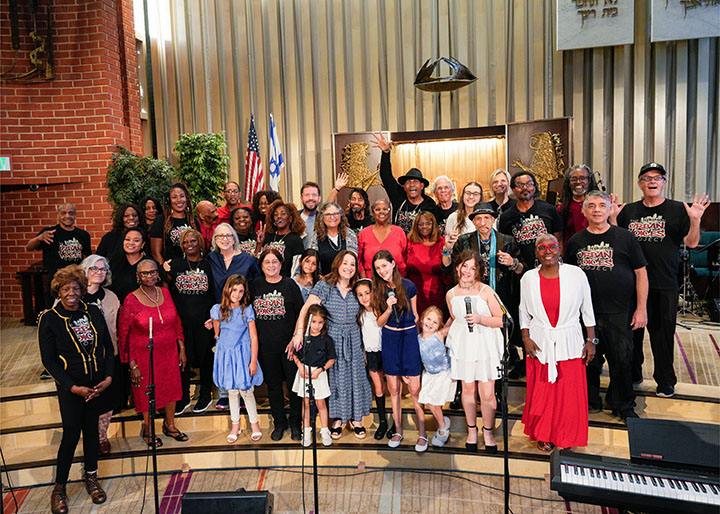
Building a human backdrop to a political candidate, a set of faces to appear on television and in photographs, is always a delicate exercise in demographics and political correctness. Advance staffers typically pick supporters out of a crowd to reflect the candidate’s message.
When Obama won the North Carolina primary amid questions about his ability to connect with white voters, for instance, he stood in front of a group of middle-aged white women waving small American flags.
On the Republican side, a Hispanic New Hampshire Democrat, Roberto Fuentes, told Politico that he was recently asked, and declined, to contribute to the “diversity” of the crowd behind Sen. John McCain at a Nashua event.
But for Obama, the old-fashioned image-making contrasts with his promise to transcend identity politics and to embrace all elements of America. The incidents in Michigan, which has one of the largest Arab and Muslim populations in the country, also highlight an aspect of his campaign that sometimes rubs Muslims the wrong way: The candidate has vigorously denied a false, viral rumor that he himself is Muslim. But the denials at times seem to imply to some that there is something wrong with the faith, though Obama occasionally adds that he means no disrespect to Islam.