fbpx

Jewish Wizard Takes Flight in New Potter Book

Dr. Raymond Jones, a professor of English at the University of Alberta, who teaches literature courses in \"Harry Potter,\" said that is was highly probable that Anthony is Jewish.
[additional-authors]
July 24, 2003

Are there Jews at Hogwarts? The world’s most famous School of Witchcraft and Wizardry might be muggle-free, but it is possible that it has an equal-opportunity policy for Jewish wizards.

In "Harry Potter and the Order of the Phoenix," the fifth of seven books in J.K. Rowling’s insanely popular children’s series, readers are introduced to one Anthony Goldstein.

The book doesn’t tell us much about Anthony, but we can ascertain certain things. He is in Ravenclaw, which means he is of "the sharpest mind" according to the "sorting hat." Because Anthony is a prefect, he is a considered to be a leader among his classmates. We know that he is one of the good guys, because he joins "Dumbledore’s Army," the defense against the dark arts class that Harry teaches after the unctuous professor Dolores Umbridge removes anything remotely practical from their defense lessons.

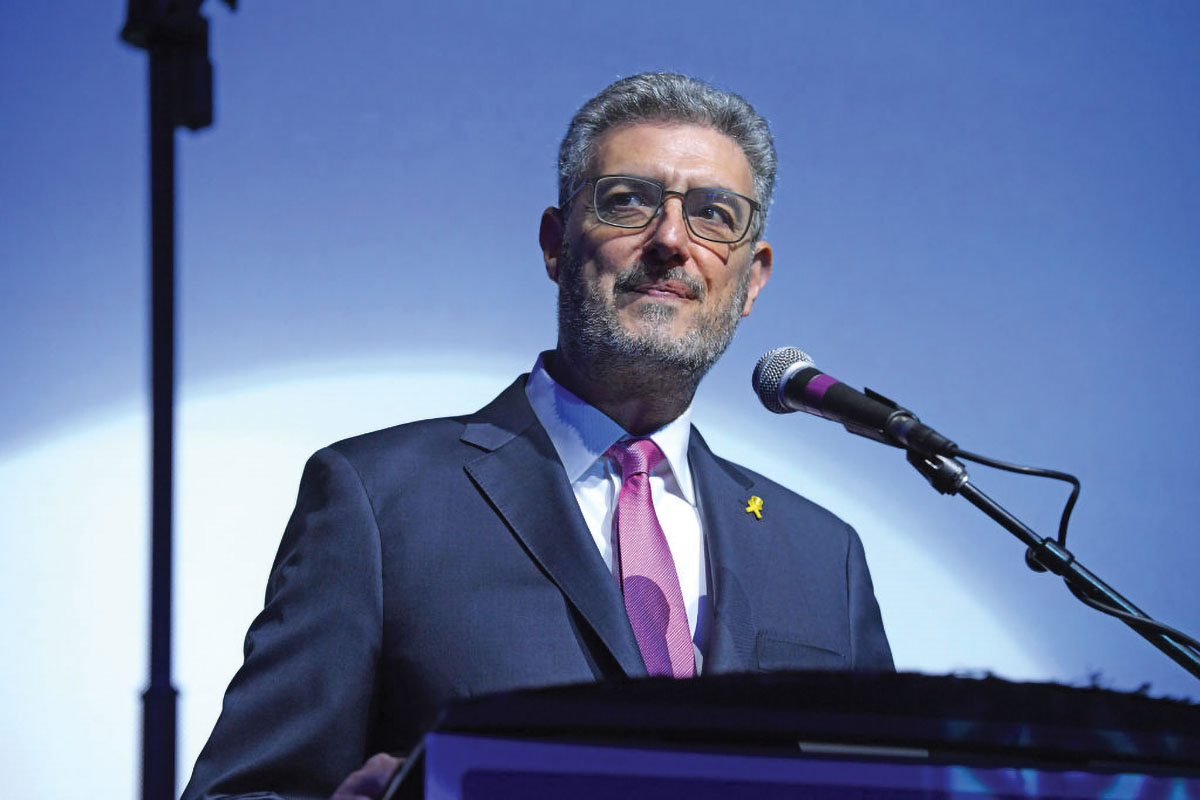
Representatives at Scholastic Books, the publisher of the Harry Potter series, said they had "no idea" if Anthony is Jewish or not, and Rowling was unavailable for comment. However, Dr. Raymond Jones, a professor of English at the University of Alberta, who teaches literature courses in "Harry Potter," said that is was highly probable that Anthony is Jewish.

"One of the things that is happening here is that Rowling is making the school contemporary," Jones said. "The school seems quite old-fashioned — they use quills and not computers — but, by populating her school with a variety of ethnic backgrounds, she is admitting to the reality of modern England and modern America."

But even if Anthony and others are Jewish, don’t expect them to start lighting the menorah too soon; according to Jones, religion plays no role of any kind in Harry Potter — where the only miracles are ones done by the wizarding community.


Did you enjoy this article?
You'll love our roundtable.

Editor's Picks

Latest Articles

Antisemitism, Deicide, and Revolution

The United States Conference of Catholic Bishops did a remarkable thing: It issued a memorandum to all American Catholic bishops urging them to prepare their teachings carefully during this Easter period and ensure that they accurately present the Church’s positive teachings about Jews.

Chametz Is More than Crumbs in the Corners of our Homes

Chametz is also something that gathers in the corners of our being, the spiritual chametz that, like the physical particles we gather the night before Passover, can infect, wither, influence and sabotage us as we engage with others.

Alpine Flavors—a Crunchy Granola Recipe

Every Passover, I prepare a truly delicious gluten-free granola. I use lots of nuts and seeds (pistachios, walnuts, almonds and pumpkin seeds) and dried fruits (apricots, dates and cranberries).

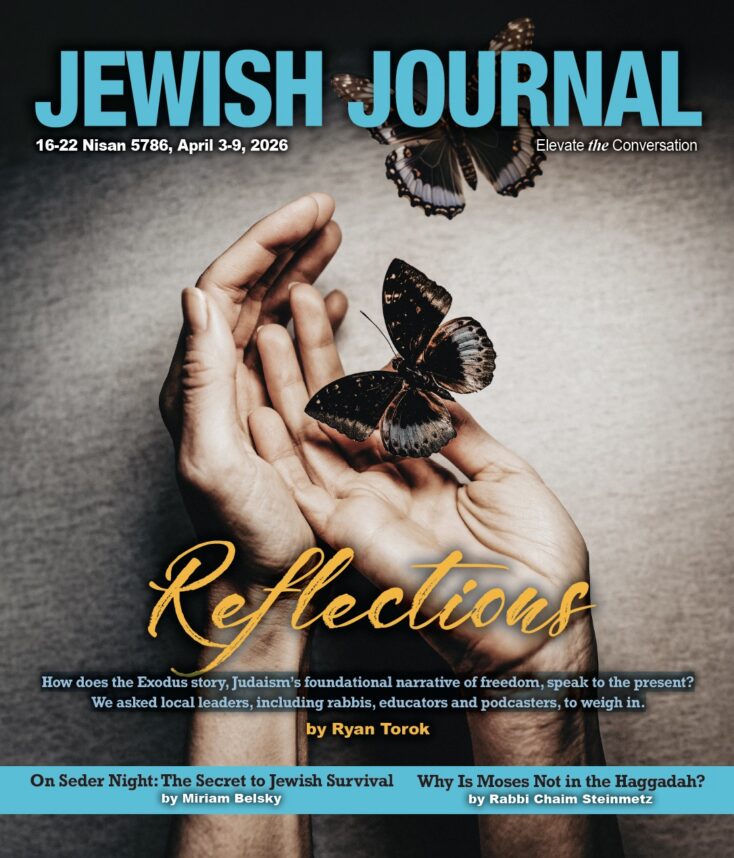
Pesach Reflections

How does the Exodus story, Judaism’s foundational narrative of freedom, speak to the present? We asked local leaders, including rabbis, educators and podcasters, to weigh in.

Rosner’s Domain | Be Skeptical of Skeptics, Too

Whoever risks a decisive or semi-decisive prediction of the campaign’s end (and there is a long list of such figures on the Israeli side as well as the American side) is not demonstrating wisdom but rather a lack of seriousness.

When We Can No Longer Agree on Who Is Pharaoh

The Seder asks us to remain present to the tension between competing fears and obligations. It does not require choosing one lesson over the other, but rather, it creates space for us to articulate our concerns and listen to the fears and hopes that shape others’ views.

More news and opinions than at a Shabbat dinner, right in your inbox.