The Hebrew word kavanot doesn’t have a direct translation to English, even though English is a far richer language: it beats Hebrew 250,000 words to 80,000. The closest translation would be “intentions.” That’s the definition most commonly used in the context of Jewish rituals — the meaning and purpose that informs your actions. Kavanot are a hallmark of kabbalah’s teachings, and it was kabbalah that inspired what is now a High Holy Days tradition for me and my husband.
It started five years ago, on the Rosh Hashanah right before we met, during services at the Kabbalah Centre in Los Angeles. As my husband-to-be prayed, he focused on the intention of bringing love into his life. The way he tells it is that he had no doubt in his mind that he was willing love into being.
He met me the next day. (And willed me to move from Manhattan to the San Fernando Valley to live with him happily ever after.)
So every year, between Rosh Hashanah and Yom Kippur, we sit down to write a list of kavanot for the new year, sealing them in an envelope and only revealing them at the next Rosh Hashanah.
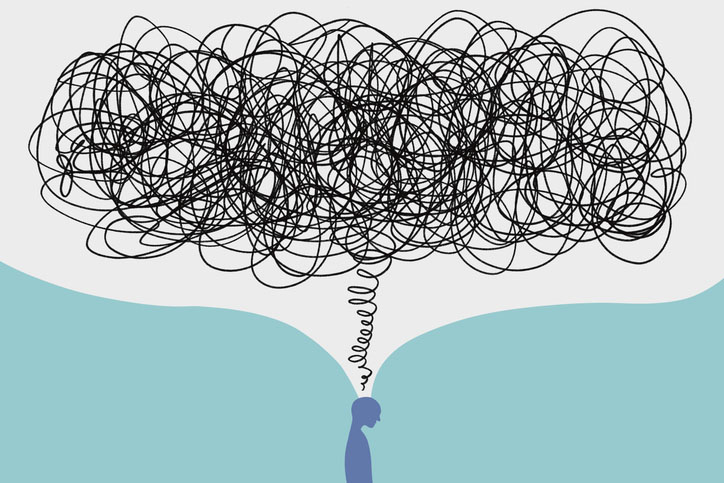
You could call it a list of hopes, wishes, aspirations — but none of those words would truly capture the meaning of kavanot. Because to hope for something implies that the power lies elsewhere. I hope I get the job.
And to wish for something smacks of unrealistic fantasy weaving. I wish I were thinner. I wish I were rich. I wish Prince Charming would come already.
Even the word aspire does not convey the essence of kavanot. The list is not a set of goals we plan to work toward: a backpacking trip through South America for which we have to save and plan and schedule.
To put it in words I recently learned at the Landmark Forum (which many say has strong similarities to the teachings of kabbalah), the difference is that we are the cause in the matter. We are the force that creates something that was not possible before and that would not have otherwise occurred had we not created those kavanot.
Opening those envelopes each year and seeing, sometimes in surprising ways, how we brought those kavanot into being in our lives is a powerful experience. The year that we got married, I wrote on my list, “To create a bond between us that would last a lifetime.”
That year, I got pregnant with our son. (And I had insisted up and down to everyone that I wanted to be married at least two years before we had kids.)
So, if you see me during the High Holy Days and I wish you a year filled with good intentions — although it’s not quite the right translation — you’ll understand what I mean.