fbpx

Hebrew Word of the Week: shafel/shafal

A word may develop two opposite, or quite different, meanings, as the English word “nice,” which once meant “stupid, ignorant,” but which currently means “pleasant, agreeable, polite.”
[additional-authors]
November 18, 2016

A word may develop two opposite, or quite different, meanings, as the English word “nice,” which once meant “stupid, ignorant,” but which currently means “pleasant, agreeable, polite.” Similarly, in Hebrew, shafel has developed a variety of meanings, from a physical “low” to the abstract “base, mean, despicable.”

Some biblical nuances: nivzim ushfalim “nasty and despicable” (Malachi 2:9); shafal “low standing; person of little value” (Psalms 138:6); shfal-ruaH “humble” (Proverbs 29:23); shfal anashim “(God may set as a ruler) the humblest (perhaps sometimes the most despicable?) of men” (Daniel 4:14). 

Modern uses: shiflut “meanness”; shefel kalkali “economic depression”; shefel ba-‘asaqim “business downturn”; shefel ha-madregah “the lowest rung, the worst situation”; hishpil “to humiliate; insult, put to shame”; hashpalah “putting to shame, humbling”*; mashpil “humiliating, insulting.”

Arabic cognates are safil, sufli “hooligan, hoodlum”; in Yiddish, shofel “worth little, common.”

*As (God) is able to humble (hashpalah) those who behave arrogantly” (Daniel 4:34).


Yona Sabar is a professor of Hebrew and Aramaic in the department of Near Eastern Languages & Cultures at UCLA.

Did you enjoy this article?
You'll love our roundtable.

Editor's Picks

Latest Articles

Chametz Is More than Crumbs in the Corners of our Homes

Chametz is also something that gathers in the corners of our being, the spiritual chametz that, like the physical particles we gather the night before Passover, can infect, wither, influence and sabotage us as we engage with others.

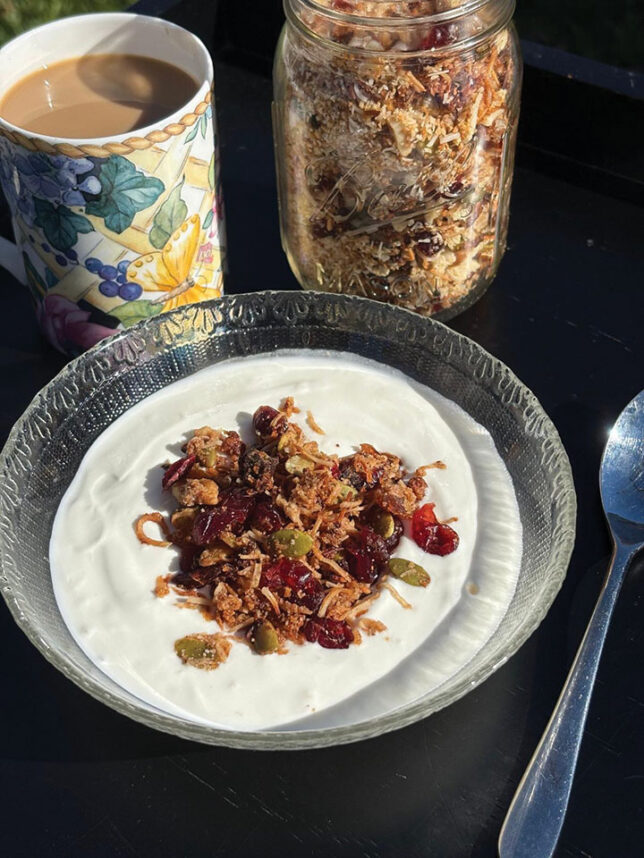
Alpine Flavors—a Crunchy Granola Recipe

Every Passover, I prepare a truly delicious gluten-free granola. I use lots of nuts and seeds (pistachios, walnuts, almonds and pumpkin seeds) and dried fruits (apricots, dates and cranberries).

Pesach Reflections

How does the Exodus story, Judaism’s foundational narrative of freedom, speak to the present? We asked local leaders, including rabbis, educators and podcasters, to weigh in.

Rosner’s Domain | Be Skeptical of Skeptics, Too

Whoever risks a decisive or semi-decisive prediction of the campaign’s end (and there is a long list of such figures on the Israeli side as well as the American side) is not demonstrating wisdom but rather a lack of seriousness.

When We Can No Longer Agree on Who Is Pharaoh

The Seder asks us to remain present to the tension between competing fears and obligations. It does not require choosing one lesson over the other, but rather, it creates space for us to articulate our concerns and listen to the fears and hopes that shape others’ views.

Pesach at War. Leaving Fast, Leaving Slow.

Freedom, it would seem, is erratic; it happens in fits and starts, three steps forward and two steps back. Freedom is a leap into the unknown, driven by a dream. We will figure it out in time.

More news and opinions than at a Shabbat dinner, right in your inbox.