
As a kid, I wanted to be Erma Bombeck when I grew up. With book titles such as “If Life Is a Bowl of Cherries, What Am I Doing in the Pits?” and “A Marriage Made in Heaven … or Too Tired for an Affair,” Bombeck poked fun at herself and at life’s foibles and frustrations with comic genius.
At the height of her success, the Great Erma was syndicated in 900 newspapers with a readership of 30 million. She was more than just a professional role model; her laughter was cathartic. I was born in 1960, so my childhood played out against the backdrop of the Vietnam War, violent protests in the streets and on college campuses, political assassinations and the drug culture. I was frightened by it all, and my world felt insecure.
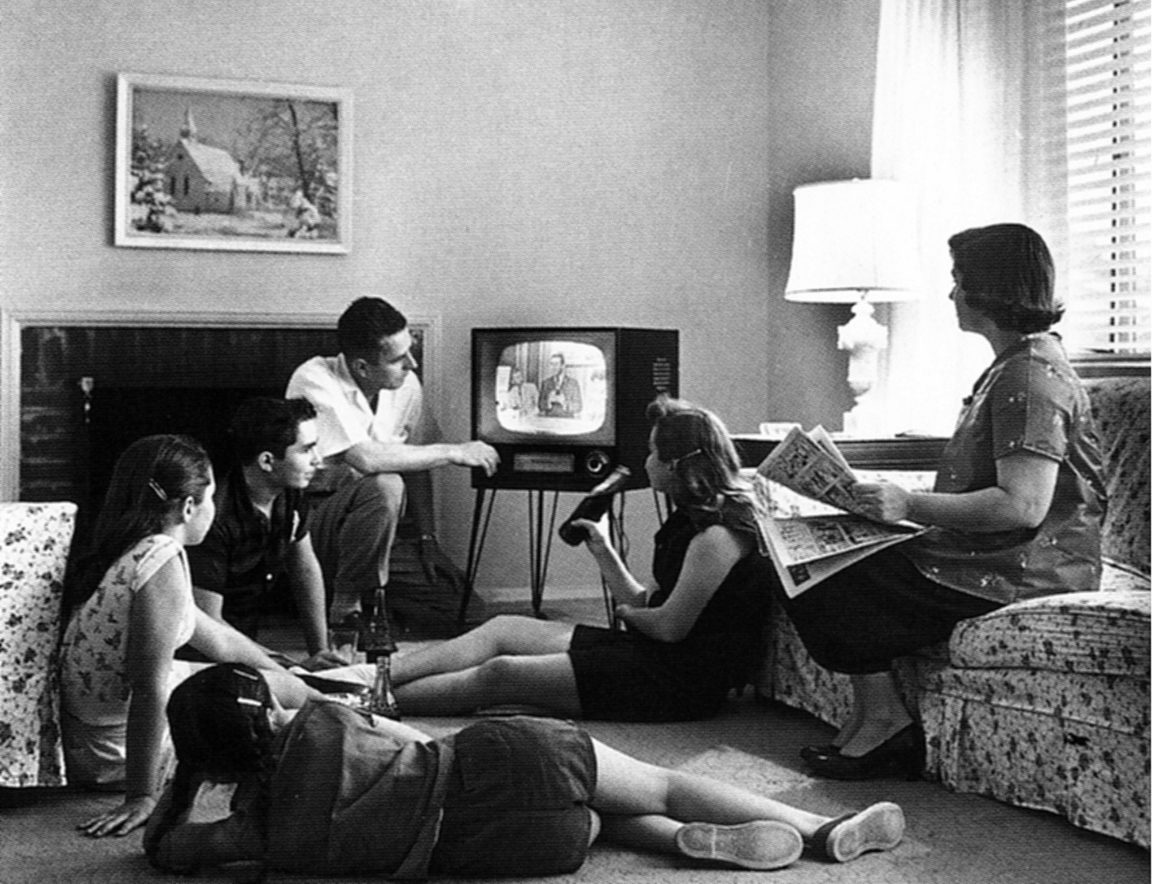
When I was 9, my 17-year-old brother, Allan, died in a car accident. Chaos and loss were no longer just on TV or in Newsweek magazine. They had hit home. As I struggled to cope amid an ocean of grief, comedy offered me a lifeline. My mom and I watched “The Carol Burnett Show,” “Rowan & Martin’s Laugh-In,” “The Odd Couple” and other shows that delivered witty wackiness. It was such a relief to laugh, and the closest thing to therapy any of us had.
After I graduated from college, I got a day job writing for health care magazines, while at night, I pecked away at my typewriter working on humor columns. When my first humor column appeared in a major daily newspaper, I was so excited to hold it that my hands shook.
Years later, as a minivan-driving wife and mother of four children, and occasional caretaker of goldfish and a guinea pig, I mined the motherlode of material, just like Bombeck had. I sold more columns and published my first humor book, “Carpool Tunnel Syndrome: Motherhood as Shuttle Diplomacy.” I’d never get anywhere near my role model’s stratosphere of professional success, but I was grateful for what I’d achieved. Besides, my husband and I were raising a Torah-observant family, and if we did it right, that would be achievement enough.
In the midst of my excitement over my publishing milestone, things spiraled downward. My mother was diagnosed with end-stage cancer and told she had only weeks to live. Terrorism in Israel was claiming lives every week. Then terrorism hit home on the day I was scheduled for my first speaking engagement — Sept. 11, 2001.
My goals as a humor writer suddenly seemed embarrassingly trivial, even self-absorbed. I asked my rabbi: Should I focus on serious writing because of the serious times we lived in?
“As I struggled to cope amid an ocean of grief, comedy offered me a lifeline.”
“Absolutely not,” he said. “We need to laugh now more than ever. Your work is important.”
Even though humor had been a balm in my own life during dark times, I still couldn’t shake the feeling that my work was superficial. Then I received an email that staggered me. It was from a woman who had read an excerpt from my book in Woman’s Day magazine while in a doctor’s waiting room. “I want you to know you saved my life today,” I read in total disbelief. “I was so depressed by my medical condition that I wasn’t sure I wanted to keep fighting. You made me laugh, and it made all the difference.”
The notion that a short column of light humor had “saved her life” seemed like an impossible overstatement but she believed it. That was all that mattered. I never again doubted that writing for laughs was in its own way, serious business.
Sure, the money would have been better had I stayed in the field of health care journalism, but I’d also have collected fewer notes from people grateful for the lifeline of laughter on a hard day. Over the years, I have learned to appreciate that whatever small legacy I leave in words will have accrued more intangible rewards. Knowing that I could deliver small doses of laughter as medicine is something that would have made Erma Bombeck proud.
Judy Gruen’s latest book is “The Skeptic and the Rabbi: Falling in Love with Faith.” Read more of her work here.

































