Every year, I look forward to attending the Jewish Funders Network (JFN) International Conference and being inspired by the breadth and depth of philanthropic work being accomplished through the generosity of foundations and individual funders.
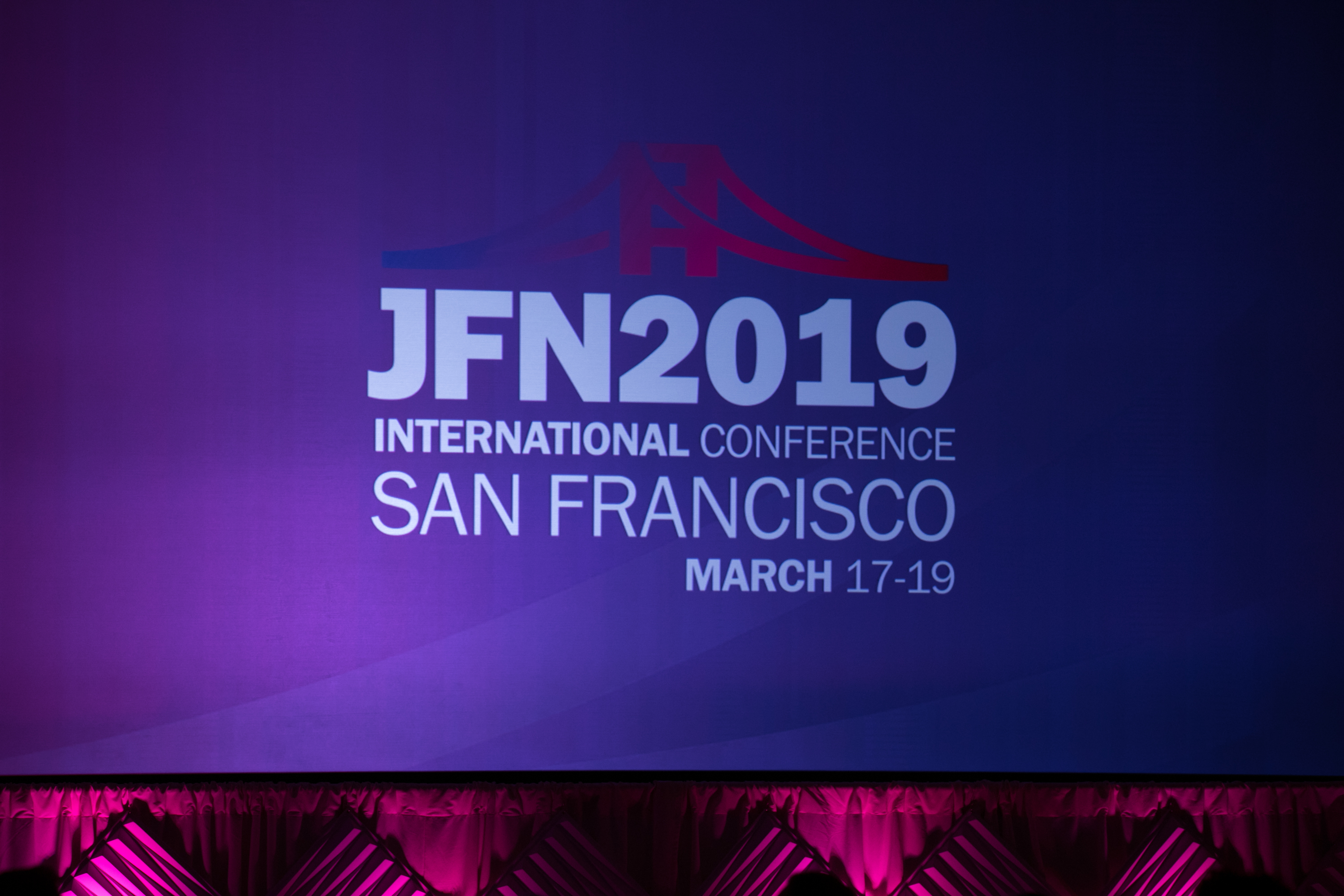
I recently returned from JFN 2019 in San Francisco, where a large crowd from all over the world descended on the Bay Area, ready to gain knowledge of trends and challenges affecting our Jewish community.
Of the myriad significant issues facing us, however, I’d like to draw attention to one vexing challenge that isn’t always at the forefront of our communal agenda: poverty in the American Jewish community.
There is a persistent myth about the American Jewish population that looms large in our country’s collective imagination. This fiction is unique in that it’s cited both by well-intentioned allies who wish to express their admiration for American Jews, as well as anti-Semites who wish to voice their contempt and mistrust. Sometimes, this myth is even repeated proudly by American Jews themselves.
The myth is this: American Jews are a “model minority” who have uniformly achieved financial success and security. This, quite simply, is not true.
“Jewish poverty is a significant issue that deserves our urgent attention.”
The Harry and Jeanette Weinberg Foundation convened an important session immediately following the JFN Conference to bring light to this critical issue. This session helped me further appreciate the growing plight of close to 20 percent of the Jewish population living in or near poverty in the United States today. This touches people of all ages and all backgrounds, from aging Holocaust survivors to individuals with disabilities to single-parent families seeking employment.
The statistics are a stark reminder that the issue is widespread, and growing. Forty-five percent of children in Jewish homes are living in poor, or near poor, households. Between 16 percent and 20 percent of these households are earning less than $30,000, with 7 percent making $15,000 or less. These are not statistics that show uniform wealth. In fact, while some of the most dire cases are, not surprisingly, retirement-age and elderly people, young adults are also among those most affected.
Jewish poverty is a significant issue that deserves our urgent attention, and there is so much more we can do to uplift the most vulnerable members of our community.
At the panel, I was reminded of a particularly painful fact: A significant portion of impoverished Jews worldwide are Holocaust survivors. These people certainly have suffered enough, yet they have urgent and critical health and welfare needs, and are aging with little hope. More than one-third of the 100,000 survivors in North America (as well as 60,000 in Israel and 62,000 in the former Soviet Union) are living at or near poverty. Time is of the essence to reverse this trajectory and do chesed (kindness), in order to help survivors to live in dignity.
As a Jewish professional who has been involved in Jewish communal activity all my life, I know this has always been an important cause. However, given our world at this time, I feel this issue must be addressed urgently. How many of our fellow Jews are unable to participate fully in Jewish life due to financial barriers? Mitigating Jewish poverty and increasing Jewish access should be a major priority at every synagogue, Jewish institution and major philanthropic organization. Together, we must work to dispel the comfortable denial that has allowed deep economic stratification to fester without much notice, and take decisive action to ensure that all members of our community can participate fully in Jewish experiences.
We should all work toward a day when we can say that the existence of Jewish poverty in the U.S. is a myth. Unfortunately, the struggles currently faced by many members of our community are far too real.
By embracing our collective values and tearing down financial barriers to become more accessible and inclusive, we can ensure every Jewish American has the opportunity to partake in the richness of Jewish communal life.
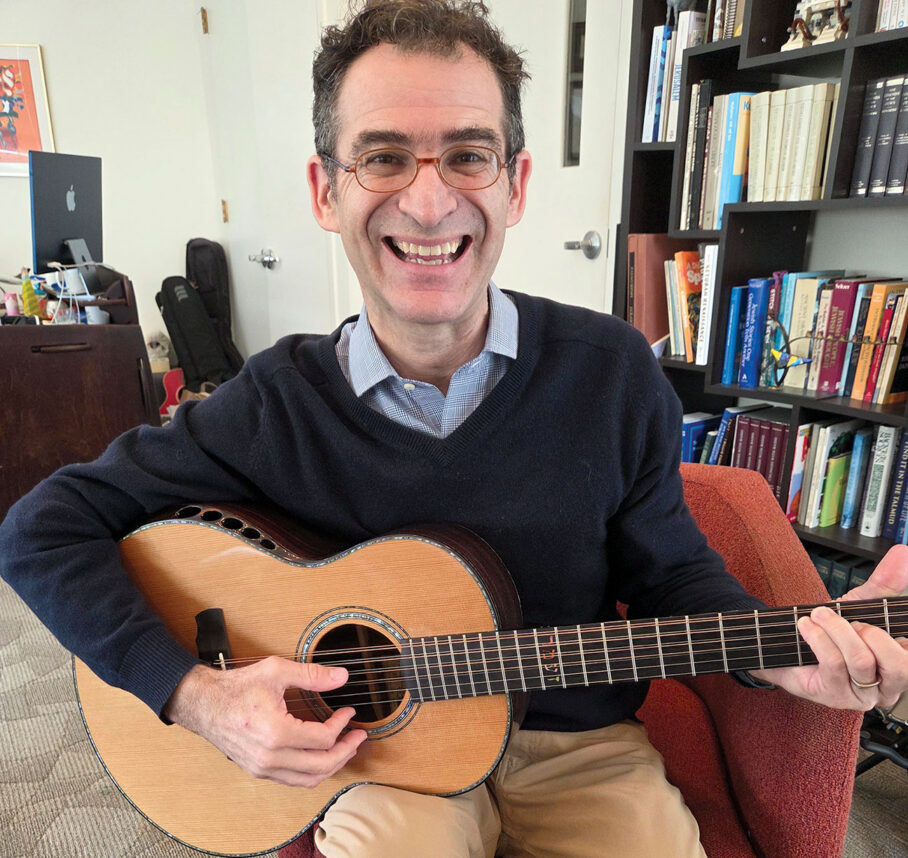
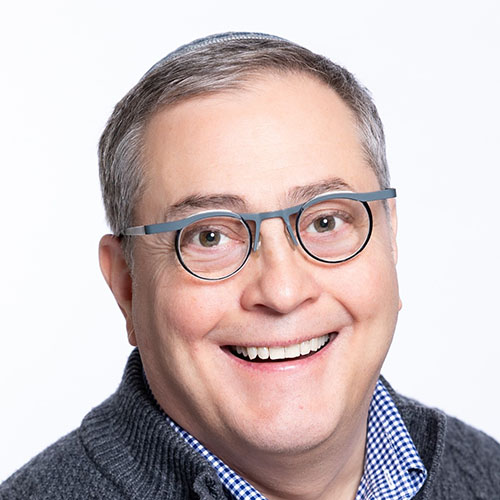
Jeremy J. Fingerman is the CEO of the foundation for Jewish Camp.