My editorial column this week is a reflection on Passover. I know the rabbis teach that we do without leavening during Passover to remind us of the time we were slaves, but in this column I ask, Is there a deeper reason behind the reason? I write:
I started making sourdough bread in college — my first job as a junior was turning out 10 loaves each day for a local bakery. It has a pure taste, simple ingredients, and the probiotic fermentation makes the bread more digestible and better for you. Most other bread tastes cottony and dry to me.
But our ancestors ate sourdough bread because they didn’t have a choice. If you want to know why the Israelites couldn’t wait for their bread to rise, it’s because natural leavening takes a long time to do its magic. Until two Hungarian Jewish immigrant brothers named Charles and Maximilian Fleischmann came up with commercially produced yeast in 1868, all bread was based on starter cultures like mine.
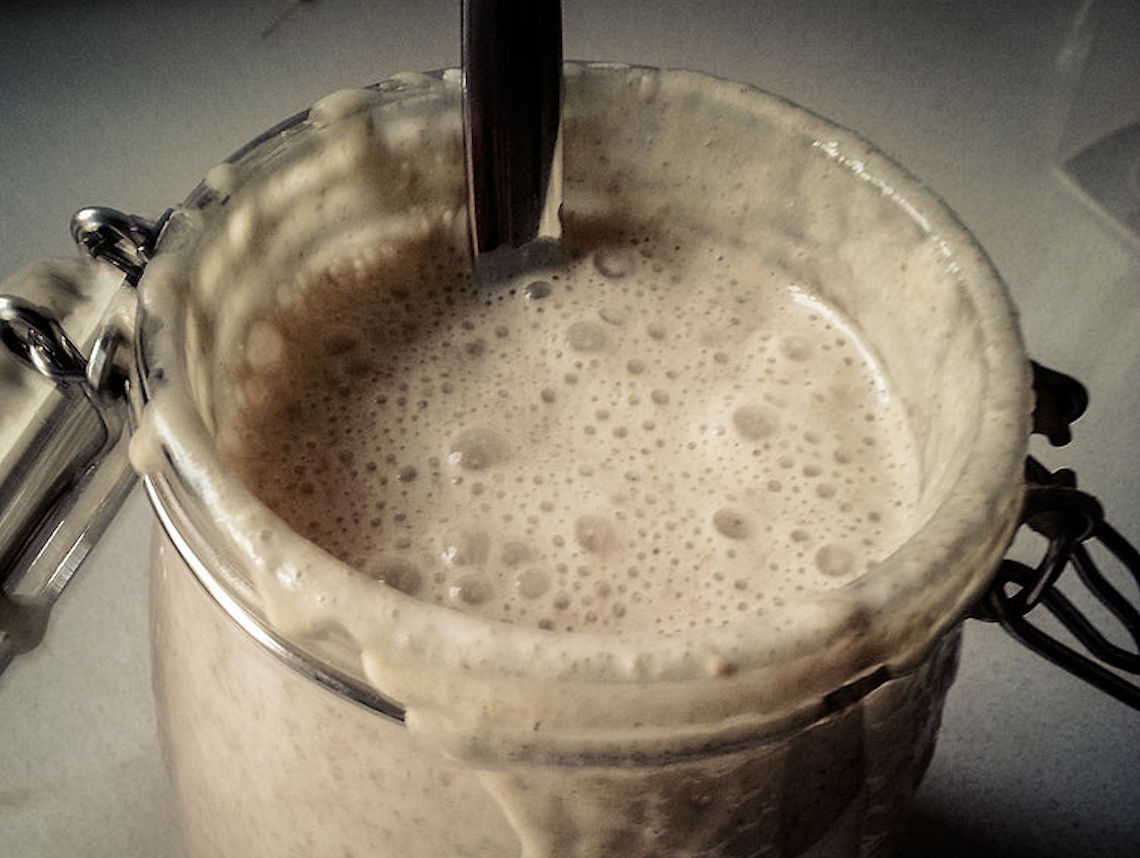
To keep a starter culture alive and healthy, you must feed it daily, keep it at a comfortable temperature, protect it from contamination, and occasionally nurse it back to bubbly life. What I am telling you is that, yes, I have an I-Thou relationship with my blob of sourdough starter. I am sensitive to its needs. I feed it; it nourishes us.
And now comes Passover, when we are commanded to forgo any leavened thing. In our kosher home, that means all yeast products, all flour, anything with leavening, must go. I would ask my wife, the rabbi, if that means the starter too. Except I already know the answer.
After nurturing my baby for nine months, I figure I have to use it all at once or toss it. As we say in Venice, this bums me out. I ask that age-old question of an inscrutable God: Why?
Until you actually make bread like your Israelite ancestors did, it’s hard to understand what lesson there is in prohibiting leavening.
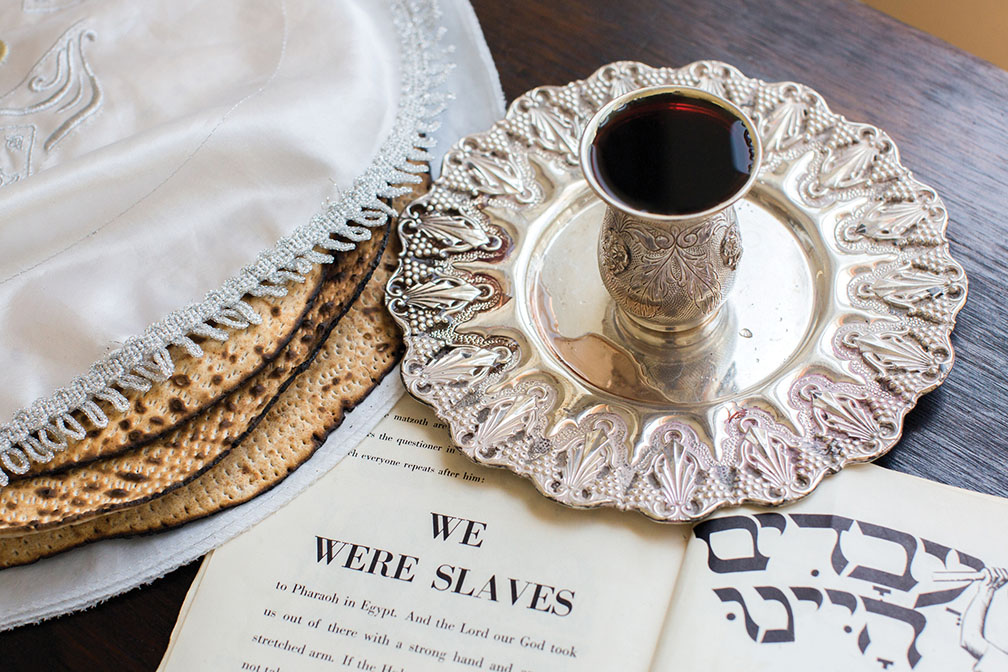
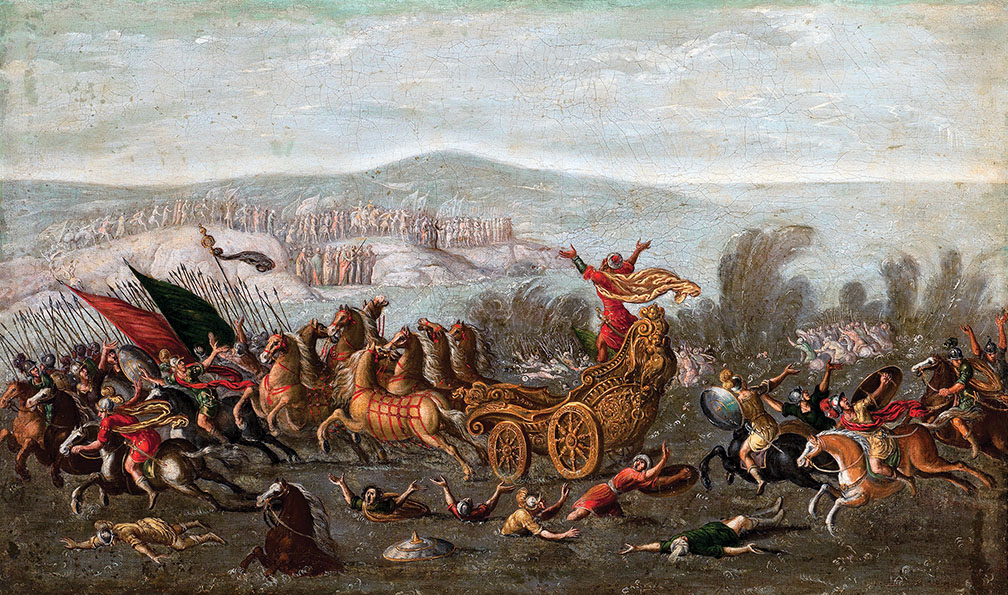
Israelite slaves escaping Pharaoh’s army didn’t have time for their bread to rise, the Passover liturgy tells us. Remember you were once slaves. So don’t eat bread, or anything remotely like it.
That’s the reason the rabbis always give us — it’s right there in the story — but I assume there must be some reason for the reason. Why of all the things the Jews must give up for eight days, God picks yeast? After all, did the Israelites have time to bring their oxen or wine barrels? Why not meat or sugar or alcohol — things that other religions commonly proscribe? We would nod our heads — oh, that makes sense. But yeast?
I have never come across religion that places prohibitions on leavening. If I was going to have to say goodbye to my beautiful 9-month-old bouncing baby starter, I needed to see the deeper meaning behind it.
And precisely because of that starter, I do.
To read the rest, click here.