Advertisement
View the most popular tags overall?
The Al Jazeera English news channel was nominated for an International Emmy for its coverage of the Gaza War.
" , , , Eshman, here is the question I have for you: Brother can you spare a dime? . . . "
There is no shortage of books, historical and fictional, on the bombing of London during World War II. Peter Stansky's new book, "The First Day of the Blitz," combines history, political commentary and firsthand testimony in a compelling account.
I'm not sure, but Tom and I may be breaking up.
It's not over yet, and he doesn't know about this -- largely because he couldn't care less -- but from where I sit, Tom Friedman is looking less and less like the Sage of Bethesda and more and more like a tone-deaf Telemachus.
Hours after CBS News first reported that federal officials were investigating a possible Israeli "mole" at the Pentagon, the first analysis hit the wires claiming that the emerging scandal wouldn't damage U.S.-Israel relations.
Last February, the head of the Mossad lost his cell phone. He left it in his car -- that's right, the head of Israel's renowned top secret spy agency left his cell phone in his car. When he returned, he found someone had bashed his windows and stolen it. On it were the numbers of, well, everyone on whom Israel's security and defense relies.
The election analysis is all the same. For days, the political press was almost totally occupied with Sen. John Kerry's choice for the vice presidential candidate. When Sen. John Edwards was selected, everyone I saw or read had the same take: Terrific speaker; inexperienced; shady trial lawyer; fighter for the forgotten.
It was as if the journalists were afraid to stray off the beaten track or leave the reporting pack to have an original thought. Today's political reporting is a compendium of conventional wisdom. The motto of the press corps is: "On one hand.... And on the other...."
As word of Los Angeles Times Editor John S. Carroll's address on journalistic ethics spread across the Internet, critics were riled by his assertion that the Times is committed to taking the "high road" in comparison to other media outlets nationwide, which are engaging in "pseudo-journalism."
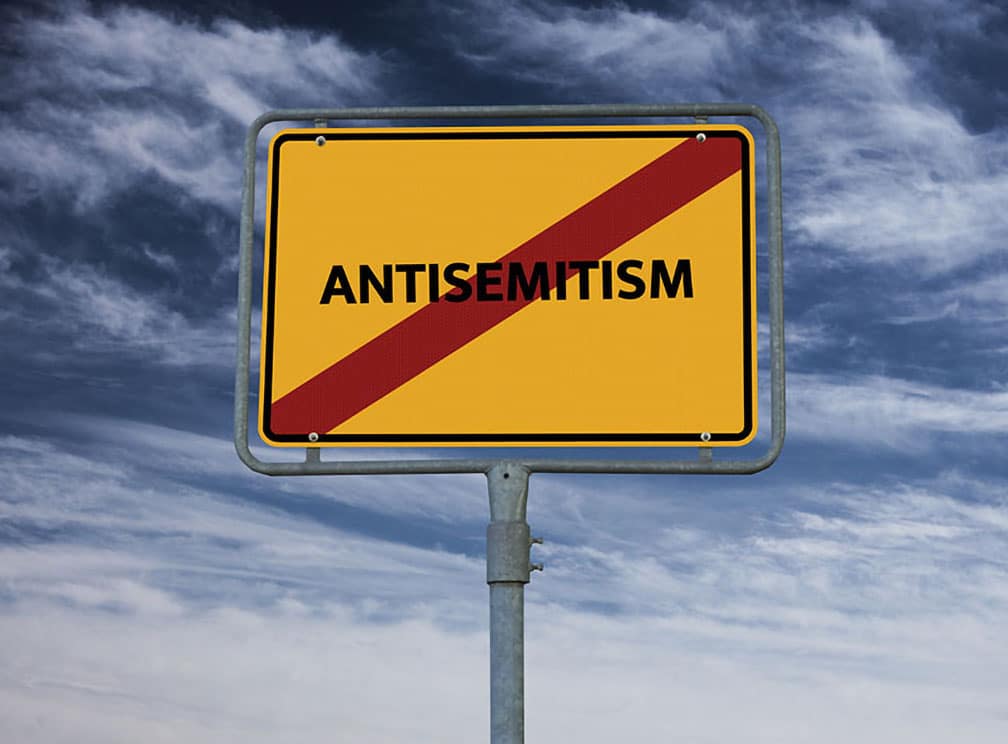
Anti-Semitic acts in Holland rose significantly in 2002, but few cases were serious, according to a new report.
As the world turns its focus once again to events in the Middle East, this is an opportune time for National Public Radio (NPR) and all media outlets to examine the way in which we cover the Israeli-Palestinian conflict and to talk to our listeners about the steps we take to ensure objective and accurate coverage.
On a single day during Passover 1986, most of Israel's major dailies ran oddly identical front-page stories describing a secret negotiation, recently collapsed, between Israel and Iraq. Iraq, it was said, had approached Israeli representatives in New York, asking that Jerusalem switch its covert support from Iran to Iraq in the war between them. In return, Iraq would exchange ambassadors with Israel after it won the war. Israel reportedly demanded recognition now, not later, and then ended the contacts abruptly after Washington caught wind of them.

The current conflagration in Israel and the territories is now two years old. News of each explosion in Jerusalem and Tel Aviv alarms me and fills me with a dread that does not retreat until I hear on the phone the voices of my friends in Jerusalem or Tel Aviv. Countless times now I have woken my friends in the middle of the Israeli night. I confirm their voices, and then my dread recedes into statistics.