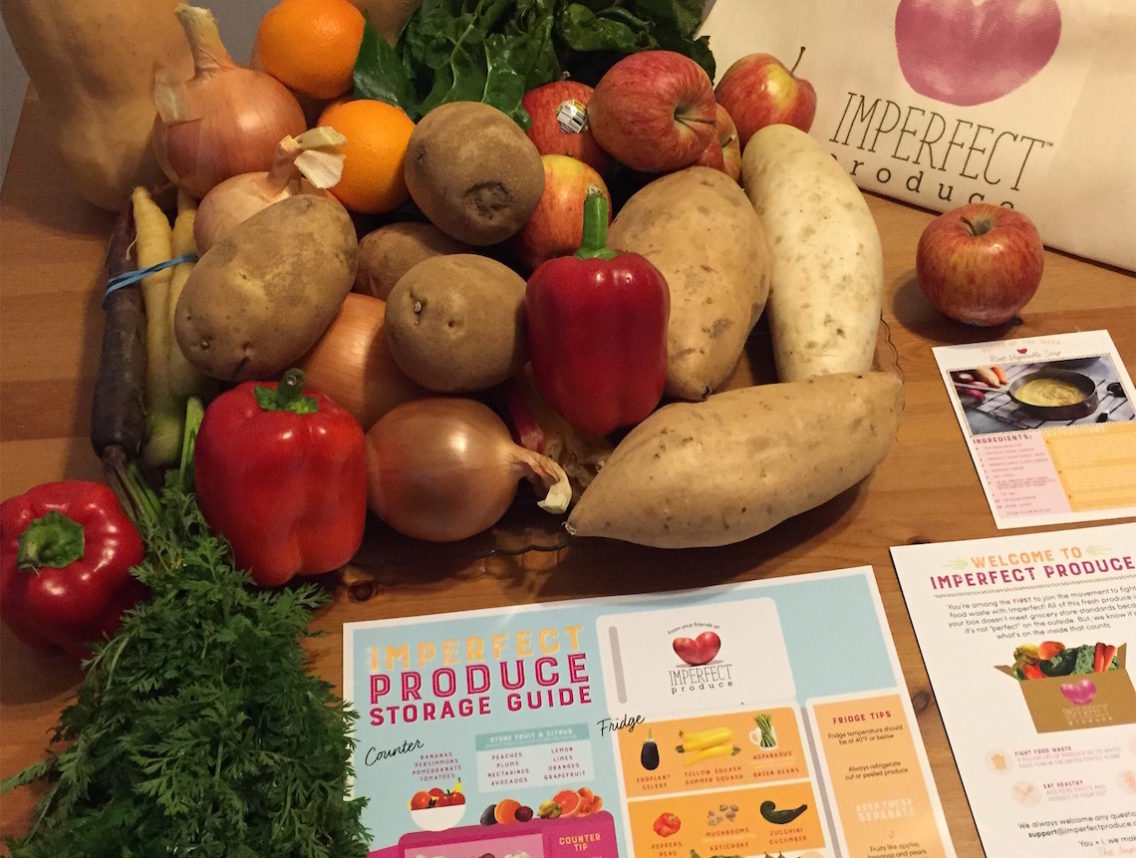
Observing Tu B’Shevat through fruit trees and food justice
Across the globe this month Jewish communities are celebrating the holiday of Tu B’Shevat. Many choose to commemorate the “New Year of The Trees” by planting pine trees in Israel. Tu B’Shevat is a day that deals directly with the social inequality of our food system. It’s a holiday that can inspire us to think about building community food security. Why not plant fruit trees right here in Los Angeles to grow more food?
Israeli invention could pave way for hydrogen cars
Everyone\’s heard that old story about the scientist who invents a \”magic pill\” that turns water into gasoline — with the invention eventually getting into the hands of the oil companies that bury it, fearing they will be driven out of business when word gets out about their competition
Santa Monica Tries to Tread Lightly
How many trees does it take to absorb the emissions from your car\’s commute? How much land does it take to feed and raise the beef you eat for dinner? How much space on earth does your trash take up?
The city of Santa Monica has taken up the task of answering those questions in \”Santa Monica\’s Ecological Footprint, 1990-2000,\” released in March. The report measures the amount of land used to produce everyday products and services like electricity, transportation, garbage disposal and housing. That land use is called the ecological footprint, and it can be measured individually or citywide.
Shuk Shopping
Elbows out. That was the lesson that began my initiation into the ways of Valley Produce market in Reseda.


 More news and opinions than at a Shabbat dinner, right in your inbox.