Advertisement
View the most popular tags overall?
LGBT-friendly congregation Beth Chayim Chadashim hosts its inaugural Lag B’Omer celebration with singing around the fire pit at its new campus. Sat. 7-9 p.m. Free. Beth Chayim Chadashim, 6090 W. Pico Blvd., Los Angeles. (323) 931-7023. bcc-la.org.
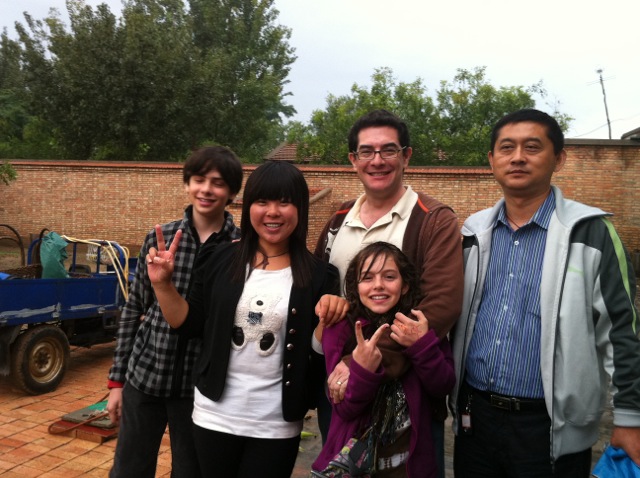
Santiago Brown calls himself a “cashew.” It’s his way of combining the words “Catholic” and “Jew,” to refer to his unusual religious background. He lived in Colombia in a Catholic orphanage until being adopted into a Jewish family a year ago, at the age of 12. His mother, Lori Brown, a graphic artist and Nashuva member, says Santiago has Jewish music on his iPod and tells his friends, “It’s awesome to be Jewish.”
In synagogue last Friday night, just after her sermon, the rabbi announced she had invited a special guest in honor of Jewish Disabilities Month. The woman next to me leaned over and whispered. “What’s Jewish Disabilities Month?” “That’s for Jews who get B’s in school,” I said.
When Rabbi Naomi Levy conducted Kol Nidre services this year, her congregation numbered 200,000, stretching from Canada to Colombia and from Japan to Norway
But as much as she loves the pulpit, Naomi, like me, finds the modern synagogue problematic. She believes that Judaism offers people a sense of purpose, a mission to heal society and a fulfilling spiritual path, but that too often standard synagogue services don't attract or inspire Jews, much less compel them to commit to a community.
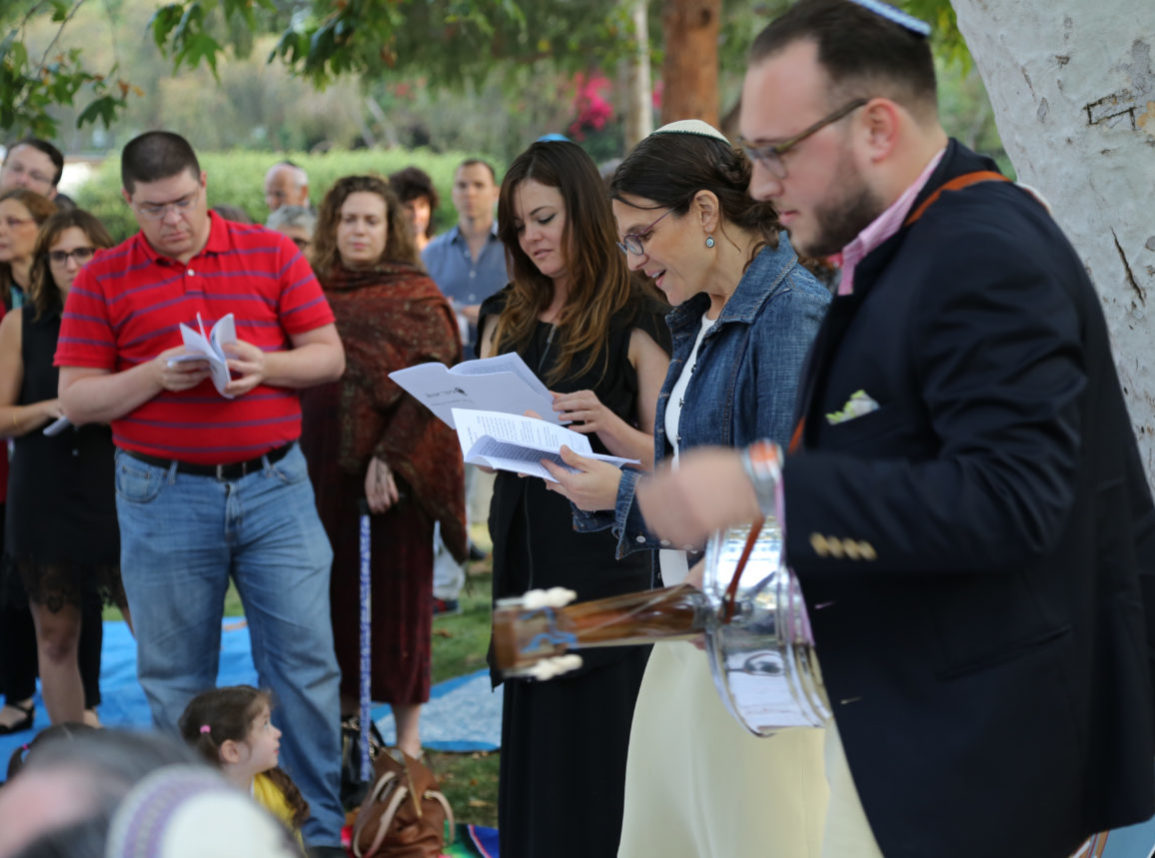
So, this past summer, I made the rounds of alternative synagogues, minyans and chavurot in Los Angeles, to see whether any spoke to me. I visited more than a dozen places that aspire to the spiritual life I associate with the 1960s: They're egalitarian, inclusive, committed to social action and steeped in music. They seek joyful experience instead of dogma, connection to one another and the outside world rather than status, healing instead of judgment and passionate involvement rather than merely showing up and mouthing prayers.
Don't call them synagogues.
They are minyanim, or spiritual communities. They have evolved from shared and individual dreams and from serendipitous, profound and beshert connections. They are new, egalitarian, independent, warm, collaborative and vibrant.
And they are all led by female rabbis.