
Israel welcomes 200 young Germans
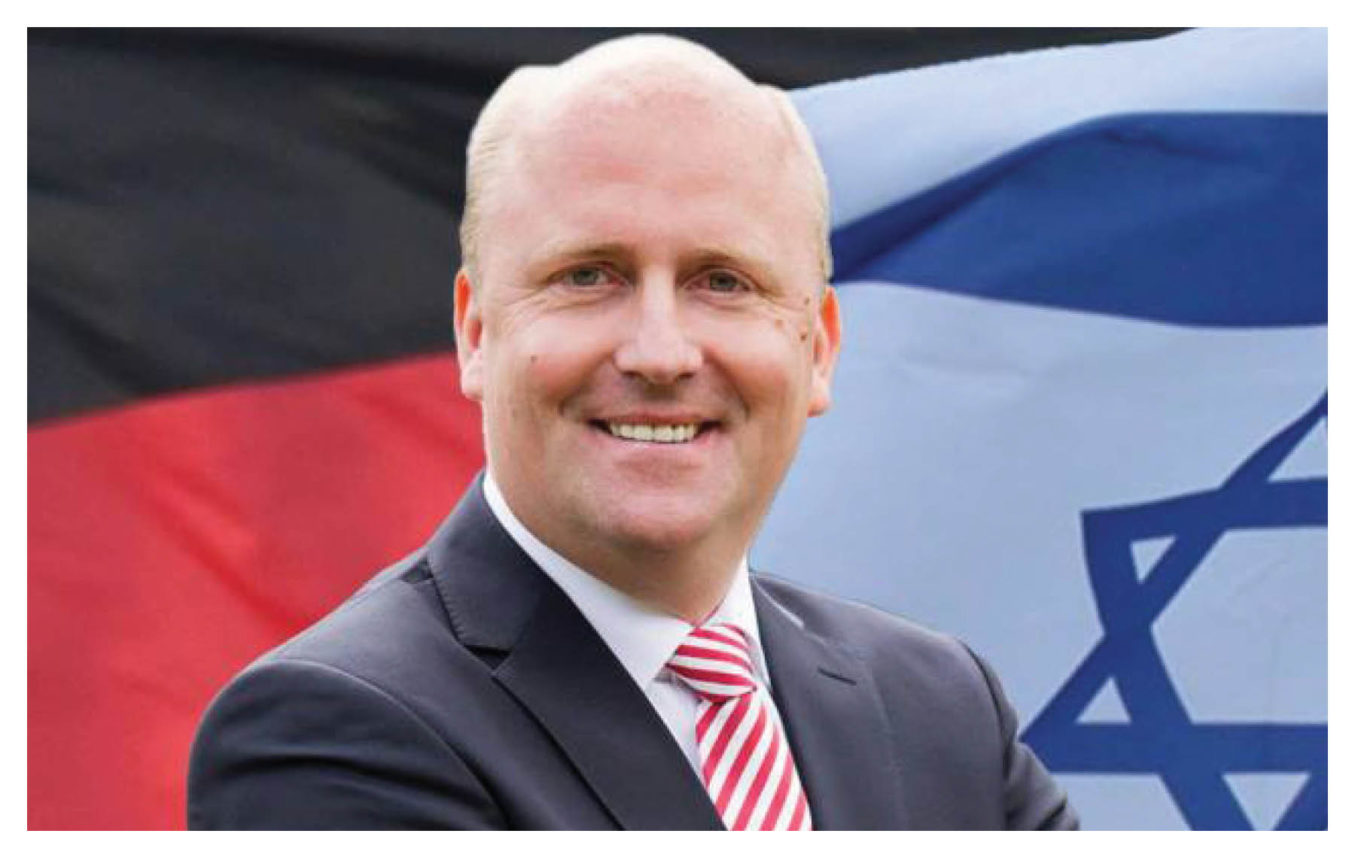
On the 68th anniversary of the day that the United Nations first recognized the legitimacy of a Jewish state in Palestine, two hundred young German leaders are landing in Israel for a five-day tour of the country.
What Syria’s refugees think about Israel might surprise you
Israel’s government is in cahoots with Syrian President Bashar Assad. America wants to keep the Syrian civil war going for as long as possible. Russia is outmaneuvering the United States on the global stage.
Survivor: Robert Geminder
In the early morning of Oct. 12, 1941, German authorities ordered the Jews of Stanislawow, Poland, to report to the town square. Six-year-old Robert (Bob) Geminder huddled there with his mother, grandmother and brother, George. The group of approximately 20,000 Jews was then marched to the nearby cemetery. Bob and his family, among the early arrivals, were shoved toward the cemetery’s back wall, where they crouched down. “If you stood up, they would shoot you,” Bob remembered. Meanwhile, people in the front were marched forward toward large pits in the ground, then shot. As they fell into the gaping earth, more Jews were ordered forward. This systematic killing continued all day, until falling snow and darkness halted the massacre of 12,000 or more.
Three generations will march, witness, remember
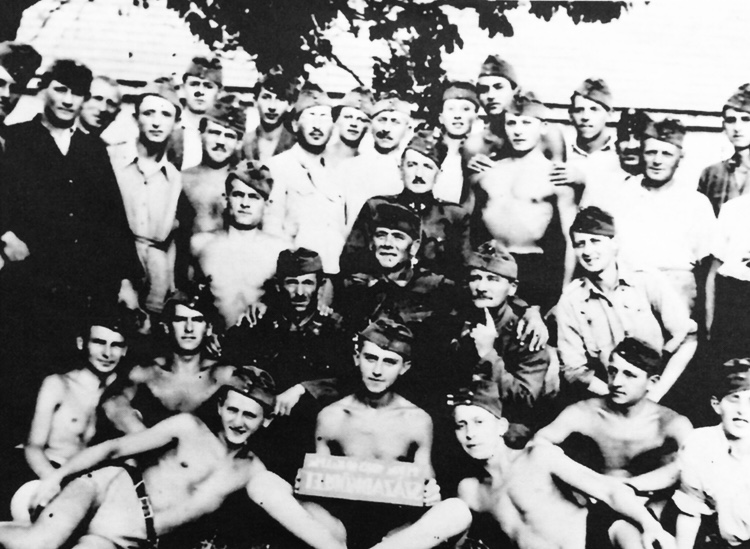
As the Germans marched toward the tiny French hamlet of Autrans, 10-year-old Eva Perlman (nee Gutmann) watched as an obviously frightened 17-year-old boy fled from a sawmill into the woods. The Germans shot him on sight.
It was 1942, and the boy wasn’t even Jewish, Perlman says.
Lessons From Nuremberg
The Nuremberg Trials, which opened with the reading of charges against 24 defendants in Berlin on Oct. 18, 1945, and reconvened in Nuremberg on Nov. 20, confronted Germans with the reality of what had been done in their name. It was the beginning of a process of reckoning and repentance that continues to this day.
Germany Deals With Dark Past on Screen
Sixty-seven years ago, on Nov. 9, 1938, Nazi-organized mobs burned and looted thousands of German synagogues and Jewish stores during Kristallnacht, the opening salvo of the coming extermination of European Jewry.
Death Camp Uprising
In the history of the Holocaust, the Sobibor death camp in Eastern Poland has remained something of a footnote, a place where 260,000 Jews were murdered, as opposed to at least 1.1 million in Auschwitz-Birkenau. Having operated for just 18 months and closed long before the Allied victory in May 1945, Sobibor, like its victims, disappeared almost without a trace.



 More news and opinions than at a Shabbat dinner, right in your inbox.