View the most popular tags overall?
Delivering a grim threat assessment for 2009, the Israeli National Security Council (NSC) said that Israel in 2009 may well find itself alone, facing Iran on the threshold of nuclear power, fighting rocket attacks on two fronts and without a Palestinian partner for a two-state solution.
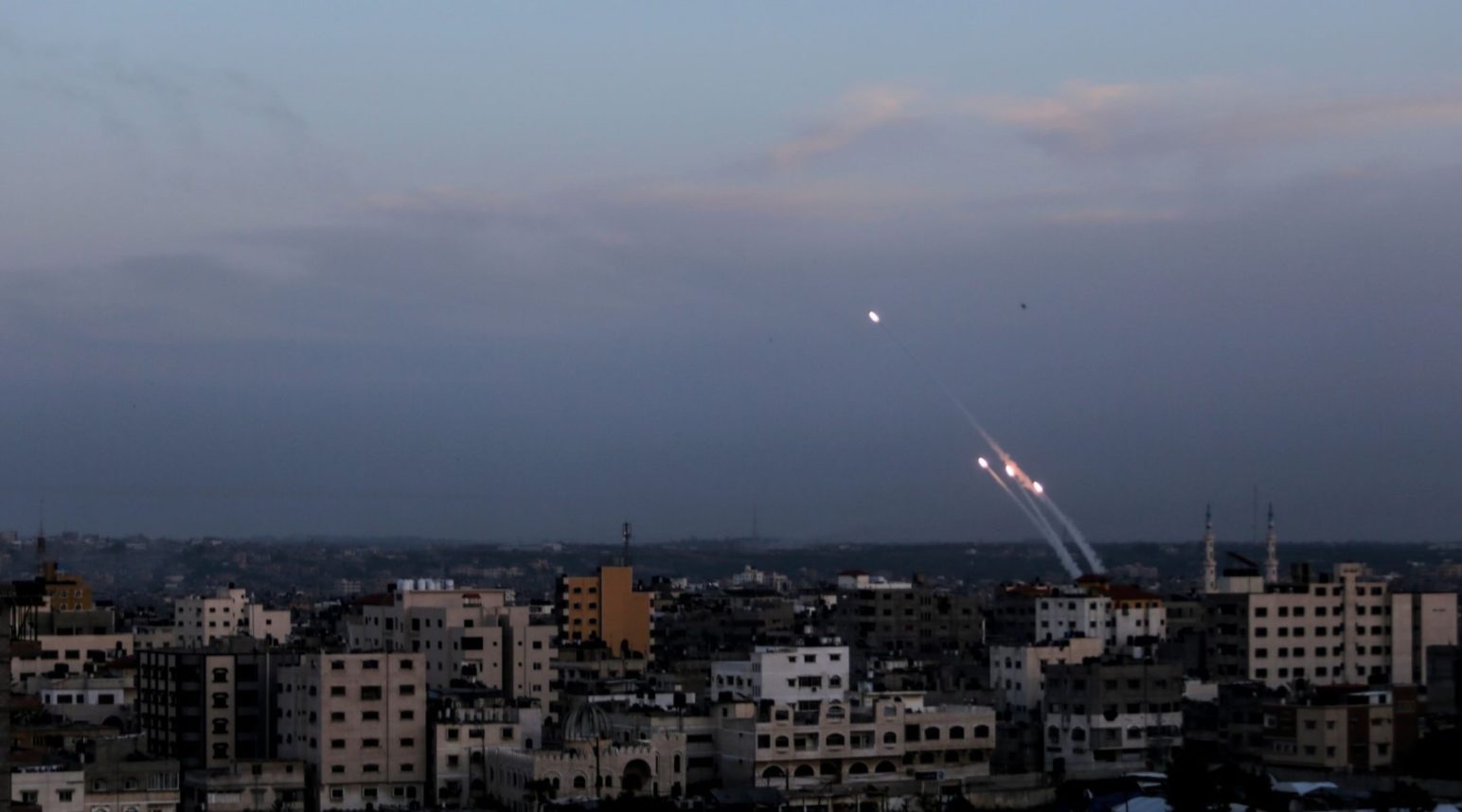
Since the army operation, the region has been hit by a daily barrage of rockets -- about a dozen Monday, more than 30 the day before. Sixty have fallen on Sderot alone so far this month, according to the town's security officer. The situation essentially is returning to what it had been for much of the past eight years.
Let us be frank: The current stalemate is ideological, not physical, and it hangs on two major contentions: "historical right" and "justice," which must be wrestled with in words before we can expect any substantive movement on the ground.
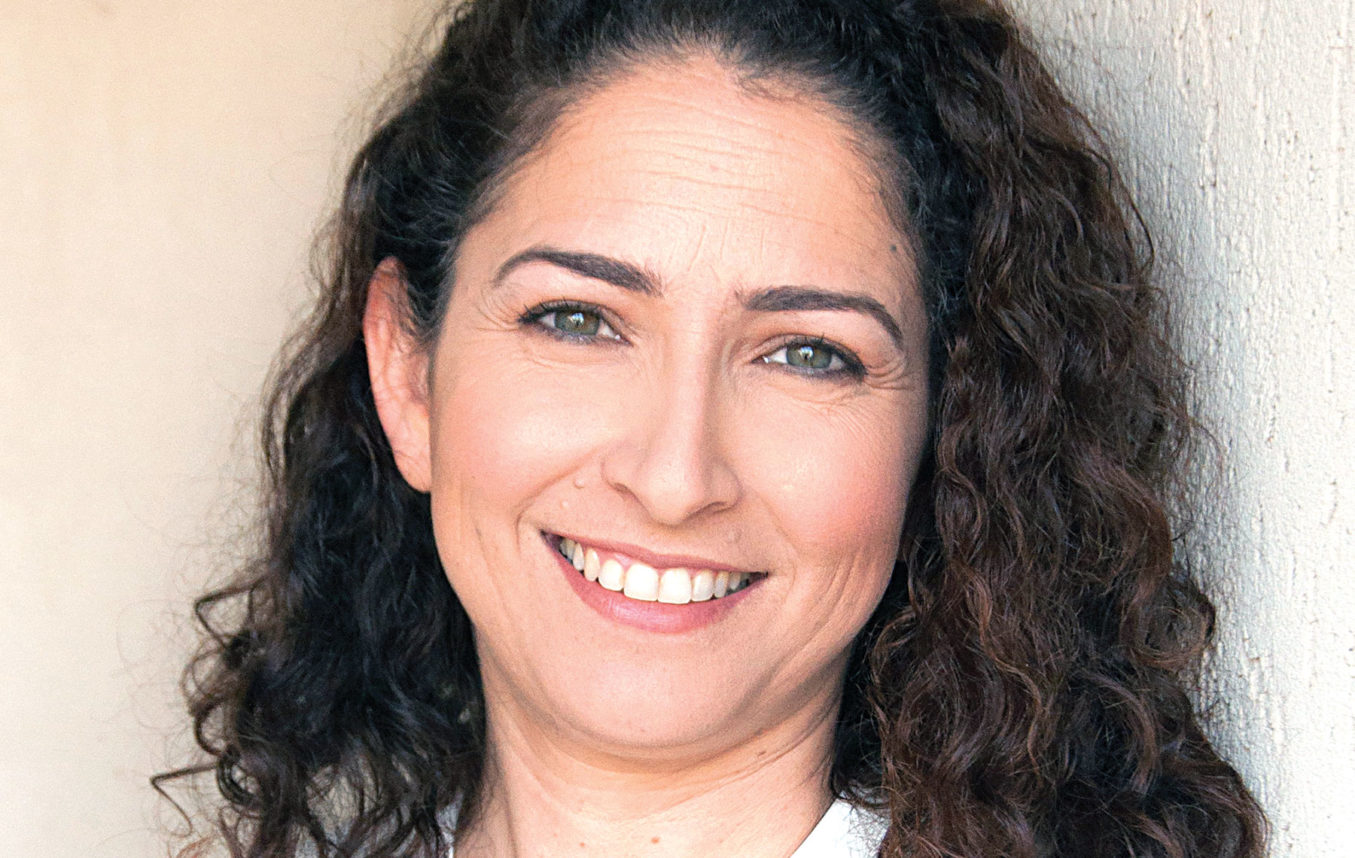
Tzipi Livni said the peace process will move forward and that Israel will be able to face challenges better with a stable government.
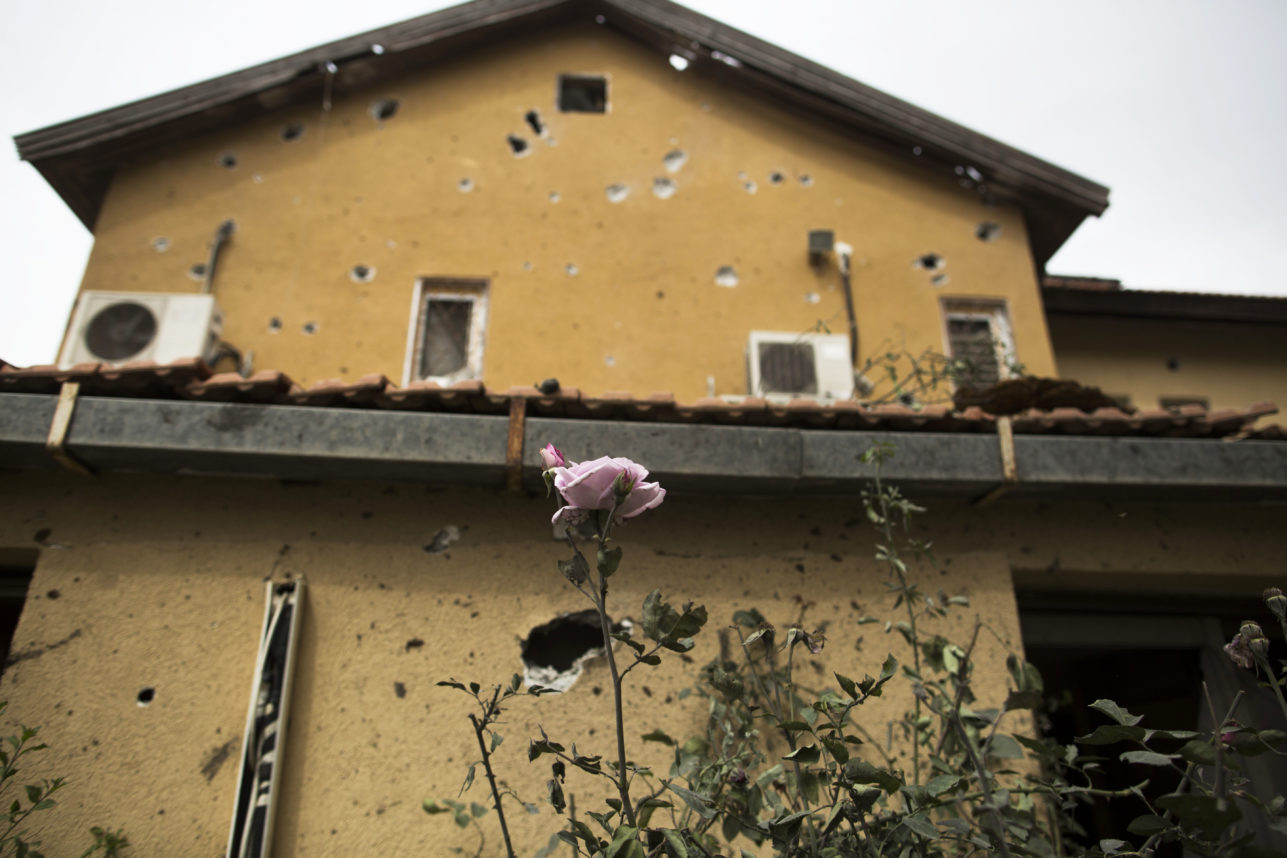
The rocket landed Sunday not far from the home of Mayor Eli Moyal
With her decisive win in the Kadima party primary, Tzipi Livni now must assemble a coalition government so she can become prime minister. Then all she'll have to do is deal with all of Israel's regional threats.
Although the Palestinians say wide gaps remain, Palestinian Authority President Mahmoud Abbas and Olmert reportedly agreed in talks Sunday to make every effort to wrap up a full-fledged peace agreement by the end of the year. But both sides are skeptical.
Even for the complex Middle East it was a moment of exceptional irony. Some 180 Fatah loyalists fleeing a series of shootouts and summary executions by Hamas
on the streets of Gaza ran for the border -- banking on the mercies of the enemy they usually target
The last official airlift of Ethiopian Jews was scheduled to land in Tel Aviv tonight, bringing to an end a state-organized campaign that began nearly 30 years ago and brought in some 120,000 immigrants from the east African nation
The existential reality of an Israeli context, where governmental decisions often have a life and death valence, has been brought home to millions of people these past few
weeks
Sderot's residents expressed optimism about the latest of a series of high-profile visitors to the town, the man who one day may be U.S. president, Barack Obama
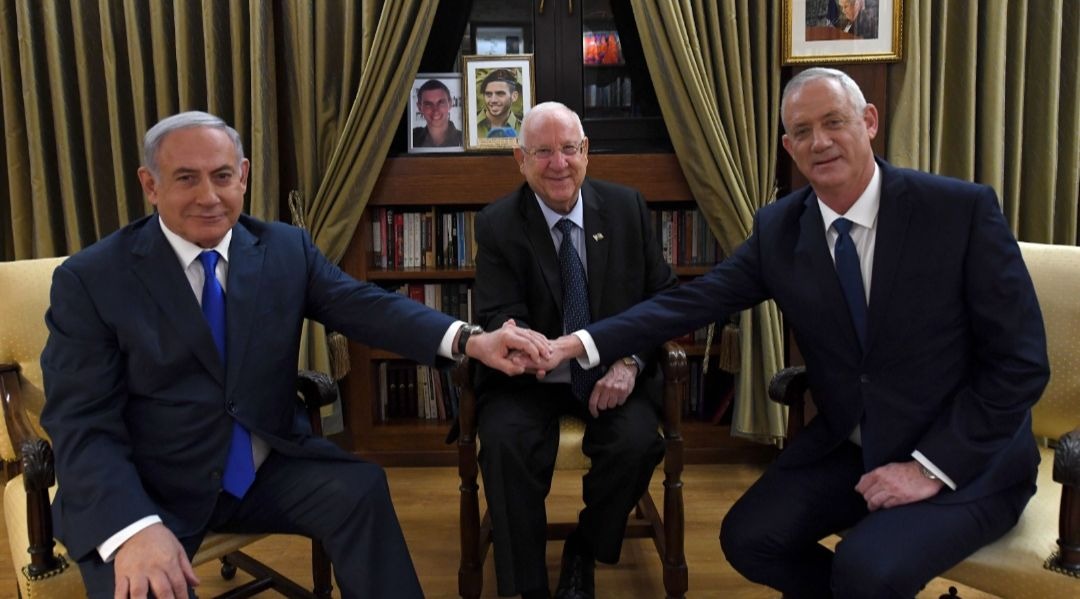
Having freed jailed Lebanese terrorist Samir Kuntar and four captive Hezbollah gunmen in exchange for two Israeli corpses, Israel is likely to face troubles bargaining down Hamas when it comes to a living hostage, Gilad Shalit
The news that the two Israeli soldiers abducted by Hezbollah in July 2006 were returned to Israel deceased prompted an outpouring of sympathy by U.S. Jews and a pledge to continue fighting for Gilad Shalit's release
All this is about living POWs. But what about dead ones? How far should a government go in order to bring a dead soldier to burial?
Israeli officials said Egypt has agreed to hold off on opening its border with Gaza -- a key Hamas demand -- until there is progress in talks on Shalit's return. The IDF is expected to be ready for a last-resort invasion of Gaza, if the cease-fire fails.
Israeli strategic thinkers are deeply divided over the implications of the truce between Israel and the Gaza-based Hamas fundamentalists. But whatever their perspective, most agree that it could have a profound impact on the future of Israeli-Palestinian relations.
Criticism of the Hamas-Israel truce by the parents of captive Israeli soldier Gilad Shalit is fueling public debate in Israel about the efficacy of the cease-fire in the Gaza Strip absent Shalit's return.
Hamas' armed wing, which lost a gunman to an Israeli airstrike just hours before Thursday¹s truce began, also has said it is ready to resume attacks. The terrorist group has made no secret of its plan to use the quiet of the cease-fire to stockpile weapons and train fighters.
With a cease-fire between Israel and Hamas expected to take effect this week, the question is what impact -- if any -- such a deal will have on the wider efforts to reach accommodation with the Palestinians.
Signs of Israel's military readiness are everywhere near Gaza -- the military base at Nahal Oz, with its rows of dust-caked tanks and rooms of advanced surveillance equipment, the high-tech spy blimps floating like hard white clouds above the border
By ship and plane, I've traveled to Israel 15 times over the last 60 years and, looking back, my relationship to the Jewish state has a certain Zelig-like quality.
To be an Israeli at the time of the state's 60th anniversary means to be resigned to living with insoluble emotional and political paradoxes. It means living with a growing fear of mortality, even as we celebrate our ability to outlive every threat. We are almost certainly the only nation that marks its Independence Day with an annual poll that invariably includes the question: "Do you believe the country will still exist 50 years from now?"
Briefs
Some charges criticizing Israel are distortions and slanted, based on faulty information and half-truths, animus, and even classic anti-Semitism.
However, the situation and history are complex, and unfortunately, Israel is not perfect.
Current statistics suggests that, even though France is depicted as less than empathetic to the Jewish community, the Jewish population there has actually grown.
Israel is turning 60, but few here in the Jewish State seem in the mood to crack open the champagne.
Israelis are still gloomy about the country's perceived failures in the 2006 war with Hezbollah in Lebanon, and every day brings fresh reminders that no solution has been found for the growing problem of cross-border rocket fire from the Gaza Strip.
Before Sept. 11, 2001, Nonie Darwish led the quiet life of a suburbanite with three kids, a husband and a dog. But that all changed when Darwish, just returned from a trip to Egypt the day before, discovered that one of the terrorists responsible for the attacks on the United States was Muhammad Atta, an Egyptian from Cairo, her hometown.
Students at the Hand in Hand Max Rayne Bilingual School in Jerusalem didn't know they were meeting a celebrity. They weren't born when the films "Officer and a Gentleman" and "Terms of Endearment" garnered Debra Winger her Oscar nominations.
Divorce, dissolution, divestment: These are words that spell the end of a relationship and of what might have been -- through time and patience -- a meaningful and inspiring marriage.
Approximately one in five Israelis living east of the West Bank security fence would leave if offered government support, a poll found. According to an internal government study, whose results were leaked Tuesday to Yediot Achronot, approximately 15,000 of the 70,000 settlers whose communities are not taken in by the fence would accept voluntary relocation packages.
Israeli Foreign Minister Tzipi Livni flew to the Qatari capital of Doha in the Persian Gulf this week with an ambitious goal: changing moderate Arab attitudes toward Israel.
Precisely when the prospect of peace between Israelis and Palestinians seemed at its most remote, I received a call from my friend, Walid Salem.
For anyone weary of television news showing rocket attacks from Gaza and U.S. political infighting, the visit here of five enthusiastic parliamentarians from Israel last week was a breath of fresh air.
Sixty years is long enough for a nation to fight to retain its independence. Our Arab partners, including Egypt and Jordon, need to join with the United States to pressure Hamas and other terrorist groups to cease and desist.
Practically overnight, life in this quiet coastal city has changed dramatically. Thirteen rockets landed in Ashkelon over the course of four days, and with the Israel Defense Forces (IDF) having launched a ground invasion into Gaza over the weekend, shaken residents here suddenly find themselves in a war zone.
Vitolda Nahshonov, 15, is one of 10 teens brought to Los Angeles from Sderot by the Israeli Leadership Club and the Consulate General of Israel in Los Angeles to share her story of what it's like to live under constant attack from Qassam rockets. What follows is an edited version of our conversation.
With Israel still facing Hamas rocket attacks from the Gaza Strip following the end of the army's limited ground operation there, the Israeli government is considering stronger follow-up measures.
If Israel relaunches its invasion of Gaza, no one should blame it. A country must do everything it can to protect its citizens from constant attack. I know it's been said, but it bears repeating: No other country in the world would countenance even a single missile crossing its borders and landing on its citizens. Much less 7,000 missiles.
Thousands of mourners turned out Friday for the funerals of the eight students, aged 15 to 26, killed in Thursday's attack at a prominent yeshiva in Jerusalem.
While Israel's eyes were focused on the security threat from the Hamas-ruled Gaza Strip, terrorism struck in the heart of the Jewish state. A gunman stormed into the Yeshivat Mercaz Harav complex in west Jerusalem late Thursday, mowing down students who had gathered in the dining room for the traditionally intensive pre-Shabbat classes. Medical officials put the death toll at eight, with at dozens wounded, several critically.
"Live For Sderot," a benefit concert organized by the Israeli Consulate in Los Angeles and the Israeli Leadership Club (ILC), aimed to raise awareness of one of Israel's most painful, ongoing issues, along with funds for children's educational programs.
Two days after Hollywood's biggest night -- the 80th annual Academy Awards -- the Los Angeles Jewish community will be treated to a celebrity-studded red carpet event of its own: Ninette Tayeb, Israel's reigning pop idol, as well as Israeli-born hip-hop violinist Miri Ben-Ari; Mayor Antonio Villaraigosa; the Oscar-nominated "Beaufort" delegation; and the creme-de-la-creme of the Jewish and Israeli communities will gather at the Wilshire Theatre in Beverly Hills for an important benefit concert, "Live for Sderot."
What exactly is the state of the pro-Israel peace movement in America? Does the Jewish institutional establishment represent the position of the American Jewish community? And if not, why are alternate voices not being heard?
After a Qassam rocket attack seriously injured two brothers in the Israeli border town of Sderot, Prime Minister Ehud Olmert again came under intense pressure to launch a major military strike against Hamas in the Gaza Strip.
That the United Nations is hostile to Israel hardly comes as a surprise. The perfidy that permeates the house over which Kurt Waldheim once presided can be cut with a knife; Israel bashing has become an integral part of the culture of that body. Such duplicity does not appear from thin air -- it must be nurtured and stoked by individuals who, by dint of impressive titles, can command international attention and influence public opinion and thus cause much mischief. That is particularly apparent today in Louise Arbour, the United Nations high commissioner for human rights.
Life in Sderot has become hell, but Israel finds it very difficult to defend it, because the people who launch the Qassams are hiding among civilians. Slowly but surely, however, Israeli patience is running out. Is there a way to stop this ongoing terrorist attack on Sderot without entering Gaza with great force in an incursion that would most probably cost the lives of many Palestinians and Israelis?
Rabbi Yosef Kanefsky stirred controversy with remarks on Jerusalem in the Jewish Journal. This week his congregation hosted the "Israel in Focus Conference" at B'nai David-Judea, where the situation in Israel was discussed.
As the Annapolis peace parley rapidly approaches, some of the Arab and Muslim players expected to play a key role in creating conditions for a favorable outcome are proving to be more of an obstacle than an asset.
In the run-up to the regional peace parley in November, Israeli decision makers are facing an increasingly acute dilemma: How to deal with the Hamas terrorists who control Gaza.
News briefs.
Cartoon.
News briefs.
Targeting journalists has long been a common practice in the Arab Middle East.
The problem is simple: With Hamas in control in Gaza and the rival Fatah ruling the West Bank, how can a unified Palestinian state be established in the West Bank and Gaza?
Jews invariably differ on their feelings toward Israel, whether discussing its place in their hearts or the policies of the current government or the rightful borders of the nation. But nothing unifies quite like military conflict. War awakens Diaspora communities and arouses Israeli affinities.
The emergence of "Hamastan" in Gaza sent leaders in the Middle East and elsewhere scrambling for an answer: Whose fault is it? Is it reversible? Will the same thing happen in the West Bank? What should and could be done now?
How to turn the disaster of the Hamas' capture of Gaza into a political opportunity was the main focus of this week's four-way summit in the Egyptian resort town of Sharm el-Sheik.
Cartoon.
"Am I left?" I asked the diplomat. I don't even know what left or right means anymore. At a moment in history when Israel's prime minister, from the center-right, ran on a ticket of unilateral withdrawal from the territories, something even the left opposed a few years back, and when the left in Israel advocates for a separation fence that its leaders once fought against, and when right and left are united in their disgust with the current government, these labels mean bubkes in Israel.
The Hamas coup in Gaza last week might seem like a victory for Iran and its followers, who now have a foothold on Israel's doorstep. But if Israel plays its cards wisely, it might turn things around.
It took little time for the Bush administration to come up with answers to the radically changed Palestinian reality: Fund and engage with the new moderate Palestinian Authority government.
Hamas' takeover of the Gaza Strip is spurring hope for the safe return of an Israeli soldier kidnapped nearly a year ago by the fundamentalist Islamic group, even as it issued a terse warning to Israel not to harm its leaders "or forget about Gilad Shalit."
With a new government emerging in the West Bank, one without Hamas, Israeli Prime Minister Ehud Olmert believes that Israel and the Palestinians can resume peace talks from where they left off when Hamas swept to power in national elections 18 months ago.
Cartoon.
It is called the Six-Day War because it was over in six days. Yeah, right. The war is not over. The truth is, not even the battlefields are silent.
With no end in sight to Qassam rocket attacks on Israeli civilians near the border with Gaza, the Israeli government is preparing for a long struggle against radical, Hamas-led Palestinian terrorists.
It's a smooth car ride to Sderot. There's very little traffic on this Sunday between Jerusalem and the battered city. Sunflower fields line the road and then the vast prairies of the Negev; it's difficult to fathom that only a few kilometers away rockets are raining.
Three videos from Sderot.
More than a week of unabated Qassam rocket attacks on Sderot has created a huge policy dilemma for the Israeli government: What should it do to stop radical Gaza-based terrorists from firing missiles on Israeli civilians and causing pandemonium in the border town of 22,000.
On May 20, Operation LifeShield, a nonprofit organization founded to provide emergency relief from missile attacks in Israel, unveiled in Jerusalem its transportable bomb shelters, dubbed "LifeShields," for use in public areas such as parks, school, playgrounds, hospitals and busy intersections. Each shelter is made of 12-inch-thick steel-reinforced concrete, is large enough to accommodate 30 people and is built to withstand direct hits from both Qassam and Katyusha rockets.
Driven from their homes by Qassam rockets, Eimvet Yitao and her colleagues from a Sderot day care center gathered under the shade of a sprawling tree at an army center in Givat Olga, swapping stories of their fears.
Los Angeles Mayor Antonio Villagairosa reassured Eli Moyal, Mayor of Sderot, of his continued support Friday, after Palestinian rocket attacks forced a partial evacuation of the city.
There are some, however, who will not share our sense of security this year. These people, although they live in the homeland of the Jewish people, will not be singing joyful songs with full gusto or reclining in freedom with the same sense of relaxation as royalty this coming Passover -- they are the citizens of the city of Sderot.
Leaders on both sides are optimistic. They see Olmert's moves as part of a new and wider American plan for Israeli-Palestinian accommodation.
Briefs
Abbas' call Saturday for early elections in the Palestinian Authority triggered fierce street fighting between Fatah and Hamas, which won the last election in January. Despite a hastily arranged cease-fire Monday, the two factions remain on the brink of civil war.
Briefs
Letters to the editor
An Israeli-Palestinian Confederation is an idea whose time has come.
Israel's patience with the growing menace from the Gaza Strip appears to be wearing thin.
Briefs courtesy Jewish Telegraphic Agency. Reports on current stories.
Gaza's economy, health care and social services are near collapse, and there are growing signs of malnutrition. Sixty percent of the population is without electricity, due to Israel's bombing of Gaza's only power station.
Jewish emergency info card a hit With LAPD; Postcard and dog tag campaign seeks release of Israeli soldiers; Jewish Home Taps Caan for Walk
Political impasses are unstable. So is ours. Sooner or later, the volatile situation will erupt, and a new reality will be created.
Prime Minister Ehud Olmert and Foreign Minister Tzipi Livni nominated Sallai Meridor on Oct. 4 to be Israel's next ambassador to Washington.
Goldberg recently won the Anti-Defamation League's Daniel Pearl Award and goes so far as to suggest that being Jewish has benefited him in his dealings with terrorists.
This summer, as Israel was under fire, the Jews of the world spoke together and stood together. It is well known that as Jews we band together in times of hardship. Never was that more true than during this past summer. Jews in Israel and around the world understood the stakes and made standing with Israel their first priority.
The call for a Palestinian national unity government has unified just about everyone except the Palestinians.
Letters to the Editor
We could have been in the fifth year of an independent Palestinian state if Yasser Arafat had been willing to make a deal with Bill Clinton and Ehud Barak; instead we are we where we are.
Just one year ago, we had proudly taken our first family vacation in Israel. The places where my kids had the most fun -- Haifa, Nahariya, Rosh Hanikra, Safed, Kiryat Shemona -- were bearing the brunt of the Katyusha attacks.
At a time when the majority of Jews around the world have banded together as perhaps never before to support beleaguered Israel, cracks of dissent have appeared as Israel's two-front war in Lebanon and Gaza becomes increasingly bloody and costly.
Overall, though, Jewish-Muslim relations are strained, and tensions will likely worsen before getting better, predicts Rabbi John Rosove, senior rabbi at Temple Israel of Hollywood.
After the Lebanon and Gaza experiences -- sustained rocket attacks on Israel in the wake of unilateral pullouts -- will Olmert still want to adopt last summer's Gaza model of withdrawal without agreement, or will he seek a different formula, such as bilateral arrangements with moderate Palestinian leaders or the introduction of international forces to keep the peace after Israel pulls back?
Cover Story.
Rallies Demand Gilad Shalit's Return; Palestinians Support Attacks from Gaza Strip, Poll Finds; Women's Area at Jerusalem's Western Wall Will Be Expanded; Four Jewish Denominations Join to Combat Major Jews for Jesus Campaign in N.Y.; Israeli Hotels Charge Tourists More; Reconstructionists Dedicate Camp JRF; Roman Polanski Draws on Holocaust for 'Oliver Twist'
When you want to avoid a confrontation over Israel sometimes it's best to act like an Israeli. So I shrugged and made that annoying little clicking sound with my tongue and teeth. She waited for a longer answer, but I hadn't had my coffee. In a world where people get their news 24 hours a day, there is the expectation that other people actually want to talk about it 24 hours a day. I don't. Especially with someone whose mind is already made up.
Is U.S. silence in the face of Israel's massive counterattack on the Gaza Strip a function of friendship or weakness?
Leaving Gaza also made sense morally, said Daniel Sokatch, executive director of the Progressive Jewish Alliance.
"For Israel to remain a democratic and Jewish state, it cannot occupy and control millions of Palestinians indefinitely," he said.
Beyond the immediate escalation, the recent Palestinian attack on an Israeli army outpost near the Gaza border raises serious questions about Israel's security and foreign policies.
Years of Kassam rocket fire at Sderot have shattered the sense of normalcy in this desert town. The fire has become so intense in recent weeks -- often three or four rockets a day -- that daily life here has come to a virtual standstill.
A variety of officials from nonprofits operating in Israel, the West Bank and the Gaza Strip discussed the challenges of operating in Hamas-run territory at a conference last week on nonprofits, human rights and the Arab-Israeli conflict.
CUFI's purpose, according to its official brochure, is "to provide a national association through which every pro-Israel church, parachurch organization, ministry or individual in America can speak and act with one voice in support of Israel in matters related to biblical issues."
Briefs
Speeches about "holocaust in Israel." Academic boycotts. Divestiture campaigns. Professors who intimidate their students. Jewish speakers whose rhetoric is anti-Israel. These program initiatives and phenomena have certainly transformed the campus quad into a zone of controversy. Indeed, the above occurrences are undeniable, as are the vile expressions of Jewish bigotry at a select number of institutions of higher learning. However, Jews are actually experiencing a Golden Age at American universities and that the general atmosphere at the most prestigious schools is positive and supportive of Jewish interests.
Fighting between small groups of Hamas and Fatah members on the streets of Gaza shows signs of intensifying. Both sides have mobilized large forces in Gaza and the West Bank, and some Palestinian observers are predicting civil war.
Briefs
For more than 30 years, the settlers' dream has choked the dream of free Israelis. The dream of the whole land of Israel and a messianic kingship drains daily the hope of being a people free to build a just society.
Amos Oz has explored the subject in novels. Amos Elon has penned essays about it. Politicians as varied as Abba Eban, Mahmoud Abbas, Bill Clinton and even Ariel Sharon have tried to solve it. So, what can a 26-year-old Ivy League graduate add to the long and storied history of the region with the world's most intractable political problem? Plenty of inspiration, if we are to judge by Jennifer Miller's new book, "Inheriting the Holy Land."
It is not accidental that Gershom Gorenberg limited his substantial study, "The Accidental Empire: Israel and the Birth of the Settlements, 1967-1977," to the first decade of the settler movement, for by 1977, when Menachem Begin and the right gained power for the first time in Israeli history, 80 settlements housing more than 11,000 Israelis already dotted the territories captured in the 1967 Six-Day War.
Olmert's attention to the fine print and his less-than-mythic status in Israel have become subjects of parody at home.
But it's just those qualities that have made him a favorite among Jewish officials and politicians in Washington.
The elections, the first since Ariel Sharon's abrupt departure from the Israeli political scene, were seen in large part as a referendum on the withdrawal proposal.
As is often the case in Israeli politics, there were surprises.
There may be no greater test of the United Nations' vaunted neutrality than to be a Palestinian staffer of the U.N. Relief and Works Agency (UNRWA) in the Gaza Strip or West Bank.
Josef Avesar is a successful Encino lawyer who has a plan to resolve the Israeli-Palestinian conflict. It may be a pipe dream, he acknowledged, but the concept was intriguing enough to keep 300 Israelis, Arabs and Americans engaged during a recent three-hour symposium at UCLA.
As Washington and the West weigh a cutoff of aid to a Hamas-led Palestinian Authority, the United Nations Relief and Works Agency (UNRWA) could become a crucial lifeline to millions of Palestinian refugees who depend on it for vital services. However, the recent Palestinian parliamentary elections have revived a long-standing Israeli concern: that some of UNRWA's staff are members of Hamas or at least sympathize with the terrorist group's anti-Israel cause.
Armed gunmen roamed freely in U.N. refugee camps. They stockpiled weapons, recruited refugees and launched cross-border attacks. In response, opposing forces attacked the camps, aiming for the gunmen -- but sometimes cutting down civilians in the process.
The honeymoon was sure to end sooner or later. Since Karen Koning AbuZayd took the reins nearly a year ago of the U.N. relief agency for Palestinian refugees, Israeli officials had praised her for steering clear of the politics of the Israeli-Palestinian conflict.
Community Briefs; Displaced Gaza Resident Raises $5,000 in L.A.; Father, Daughter Each Earn Book Awards; Preteen Ambassadors From Beverly Hills.
Briefs
Had Ariel Sharon been able to continue as Israeli prime minister, his main strategic goal would have been establishing a new long-term border between Israel and the West Bank. That remains the primary aim of his Kadima Party, but last week's violent clashes between settlers and police at the tiny West Bank outpost of Amona show just how difficult achieving it might be.
Surrounded by seven young children, Yehuda Richter tells me over Shabbat lunch how he decided to move from Los Angeles to Elon Moreh, a settlement on the outskirts of the place Jews call Shechem and the Arabs call Nablus.
At the Sundance wintertime festival, which began Jan. 19 and runs through Jan. 29, Jewish viewers can check out a blizzard of flicks.
The two-day event over Chanukah, dubbed "Light Up the Negev," was organized by the Jewish National Fund-Keren Kayemeth LeIsrael (JNF) with the express purpose of "selling" the Negev to Israel's youth.
Last week, The Rev. Pat Robertson apparently decided that he'd better have the government of Israel on his side, too, especially if he wants to build a sprawling evangelical center on the shores of the Sea of Galilee.
You have to judge politicians, especially those running for prime minister, without sentiment. And if they've changed direction, you have to give more weight to what they've done lately than what they did before. Unless the candidate is a truly malevolent character, you have to judge him or her on two things: leadership ability and political direction. And on that basis, I think Olmert is better suited to be prime minister than anybody else around.
The pre-mortem eulogies, the stream of editorials, the international expressions of sympathy -- what you are witnessing is Ariel Sharon's ascension to the Jewish pantheon.
According to last week's Shin Bet report, arms smuggling into Gaza has skyrocketed sixfold since Israel left during the summer. In the West Bank, terrorists have already test fired a rocket in a bid to emulate the tactics of their Gazan comrades.
The diplomatic reprieve that followed Israel's withdrawal from the Gaza Strip appears to be over, with Ariel Sharon feeling political pressure both at home and from abroad.
Israel and the Vatican reportedly are close to an agreement on church properties in the Holy Land.
In May of 1998, a wealthy Israeli-born businessman called our offices and suggested I go to the Peninsula Hotel to interview his friend, Ariel Sharon. I said no.
Nation and World Briefs
Southern California rabbis used their Rosh Hashanah pulpits to speak on globalization, Africa's drought-ridden refugees and America's hurricane-drenched evacuees as well as Israel's Gaza pullout.
Letters to the Editor
Meeting in London at a forum organized by the World Organization for Jews From Arab Countries and Justice for Jews From Arab Countries, Jewish representatives from 14 nations met for two days last week to create the steering committee for the International Campaign for Rights and Redress.
For Sharon, long snubbed by many U.N. member states, it was a reception that would have been unthinkable just two or three years ago, according to those who follow Israel's treatment at the United Nations.
Nation and World Briefs
Letters to the Editor
For visitors to Israel this summer, the disengagement from the Gaza Strip proved hard to ignore.
"Everybody's orange," said Rebecca Kaminski, from Berlin, with a laugh, referring to the color adopted by the anti-disengagement activists. "I'm on the blue side, I guess."
Sitting on the beach in Netanya, the 22-year-old was working on her already impressive tan with a group of girlfriends, all students at a six-week summer ulpan, or Hebrew-language immersion course, in Kibbutz Mishmar Hasharon.
They have not been deterred from visiting Israel during its exit from the Gaza settlements and parts of the West Bank.
The Other, Like A Virgin, Claim Won't Hold, Death By Oprah, Correction, Faith Remains, Terrorism Won, Junk Science, Gaza Sympathies,
The disengagement from Gaza has exposed raw emotions and wrenching scenes of families being uprooted from their homes of decades.
To the Jews of the Diaspora:
I recently returned from a monthlong vacation to the United States. Since I've gotten back home to Israel, however, it seems as though "reality" has smacked me upside the head.
After the dust has settled and Israel concludes its unilateral withdrawal from Gaza, a key issue will be whether the move will enhance its security or not. Will it be perceived as a "victory for terror" as the right wing has claimed, or a "base for Islamic terror" as former Finance Minister Binyamin Netanyahu has said? Or will it enhance Israel's overall security posture? There is absolutely no question at all that from a security perspective this move will in the short, medium and long run only enhance Israel's security.
The Gaza settlements were a strategic dinosaur. They were built in the early 1970s as a buffer between a hostile Egypt and a hostile Gaza. Israel has been at peace with Egypt for almost three decades. The nearest Egyptian gun or tank to the border with Israel is on the other side of the Suez Canal, hundreds of kilometers away. Given the massive military outlay in protecting the 8,000 or so settlers, Gush Katif had turned from a strategic asset to a strategic burden.
The question on the Palestinian street now is who will successfully claim credit for expelling Israel from Gaza and northern Samaria - Hamas, an organization that carries out terrorist attacks, or Fatah, the official Palestinian ruling party?
Whatever the answer turns out to be, one thing is certain. Both factions are presenting Israel's withdrawal of settlers and troops from Gaza and the northern West Bank as a Palestinian military victory.
There is no place like home, and no one knows it better than the former Jewish settlers of the Gaza Strip. Evicted from their beachside villages on the shores of the lapping Mediterranean Sea, they are living this week out of hotel rooms, high school dormitories or in refugee-like tent camps.
Late last week, post-eviction, Ruth Etzion found herself wandering the streets of the Samaria settlement of Ofra, the home of her in-laws. Walking under tall pine trees in an almost trance-like state, Etzion, her husband Yaacov, and their three children reside in a two-room dormitory "suite" in the local religious girls school. It's a step down from their two-story home on the sandy streets of the isolated Gush Katif settlement of Morag.
But Etzion was content in some ways. For her, moving into the girls' school in August brought closure. Exactly four years ago that is where she and Yaacov got married.
The Tabach family left the settlement of Gadid last week, ahead of the Israeli withdrawal. Settlers who hadn't evacuated as of Monday were given 48-hours notice to leave, on threat of eviction.
A rally planned for last weekend outside the Los Angeles Israeli consulate to protest this week's Gaza settler pullout was canceled, but in its place arose a somber gathering of about 70 people.
Letters to the Editor
Nation and World Briefs
Regarding the inexplicable and shameful headlong expulsion of the Jewish settlers in Gaza, this is one Conservative rabbi who weeps and screams at this folly.
The Gaza withdrawal in itself plays only a small part in the current face-off between settlers and the Israeli government.
Benjamin Netanyahu's resignation from the Israeli Cabinet may have come too late to scuttle Israel's planned withdrawal from Gaza and the northern West Bank, but it seems almost certain to change the face of Israeli politics.
In Israel, settlers are facing off with soldiers as the date nears for the mid-August withdrawal of Jews from Gaza. In the United States, that conflict is playing out in rhetoric as supporters and foes of disengagement buy ads and opponents plan a final local rally.
Modern Israeli settlement in the Gaza Strip resumed only after the 1967 Six-Day War, but even with those settlements set to be evacuated, Jewish roots in the sandy strip of land where Egypt, Israel and the Mediterranean Sea meet run deep.
Opinions differ on whether the area was or was not included in the Land of Israel conquered by the ancient Israelites in the Bible.
The withdrawal from Gaza, scheduled to begin in mid-August, is one of the most important events in the history of the State of Israel. It will determine whether Israel can continue to be a Jewish and democratic state.
More than 500 demonstrators, mostly Orthodox Jews, gathered in front of the Israeli consulate in Los Angeles last weekend to oppose Israel's planned, upcoming pullout of settlers from Gaza.
With the planned Israeli withdrawal from Gaza less than three weeks away, right-wing leaders say they haven't yet given up hope of preventing it.
Some months ago, at a kind of evening salon in a settlement just south of Jerusalem, I read a short story I'd written to a group of friends and acquaintances.
The withdrawal of Israeli settlements and settlers from the Gaza Strip will dominate the Jewish summer.
The mid-August Israeli pullout from Gaza is fraught with risks and unknowns, but the Israeli government remains committed to "unilateral disengagement," says Daniel Ayalon, Israel's ambassador to the United States.
The idea of one Jew killing another is shocking. Most of us think it never happens -- but the truth is that it does. It happens this week in the Torah with Pinchas. After seeing a Jew apparently enticed by a Midianite prostitute, Pinchas runs them both through with his spear.
It happened when the Macabbees saw a Jew publicly bowing down to a statue of Zeus in the town of Modin. It happened during the American Civil War, World War I and when the State of Israel was founded. Most recently, as most of us painfully recall, it happened when a young, deranged Orthodox Jew named Yigal Amir assassinated then Prime Minister Yitzchak Rabin. Ironically, it was this week's Torah portion and the character of Pinchas that some of the most extreme Jews used as a justification for the assassination
Israeli Prime Minister Ariel Sharon's plan for an Israeli pullout from Gaza and a few more settlements in the Shomron has found extensive initial approval among Jews in the Diaspora.
At first glance, this is understandable. The absence of a credible Palestinian negotiating partner, combined with Israel's vigorous desire to create a more peaceful atmosphere in the Middle East, has made a partial segregation from the Palestinian Arabs appear to be a step in the right direction.
But before we leap, let's look. Let's pay attention to the serious voices of dissent.
Letters
It'll be a heart-wrenching summer in the Gaza Strip, when Israeli forces order Jewish settlers to leave as part of the government's historic disengagement plan.
Letters to the Editor
This debate on whether to destroy the houses in the Gaza settlements before disengaging is part of a series of discussions among younger scholars sponsored by the Center for Israel Studies of the University of Judaism.
It may be the most ideological presidency in recent memory, but on at least one issue, the Bush administration is pure pragmatism.
A tradition holds that as Abraham walked the land of Israel, he called out the name of every Jew who would one day follow in his steps upon the earth.
Everyone in the Israeli political establishment knows it's only a matter of time before Benjamin Netanyahu challenges Prime Minister Ariel Sharon for leadership of the Likud Party and the country.
The Brief, news