

Angels and Kittens – A poem for Parsha Vayishlach (Aliyah 1) by Rick Lupert
Angels and Kittens – A poem for Parsha Vayishlach (Aliyah 1) by Rick Lupert



A Tale of Beards and Stars – A poem for Parsha Toldot (Aliyah 1) by Rick Lupert
A Tale of Beards and Stars – A poem for Parsha Toldot (Aliyah 1) by Rick Lupert
Outside the tent or in — what would Matriarch Rebecca have said?
This past week I have been reflecting on something important. Is there a red line that propels someone beyond the pale and out of the tent if they cross it?
Vayishlach: You name it
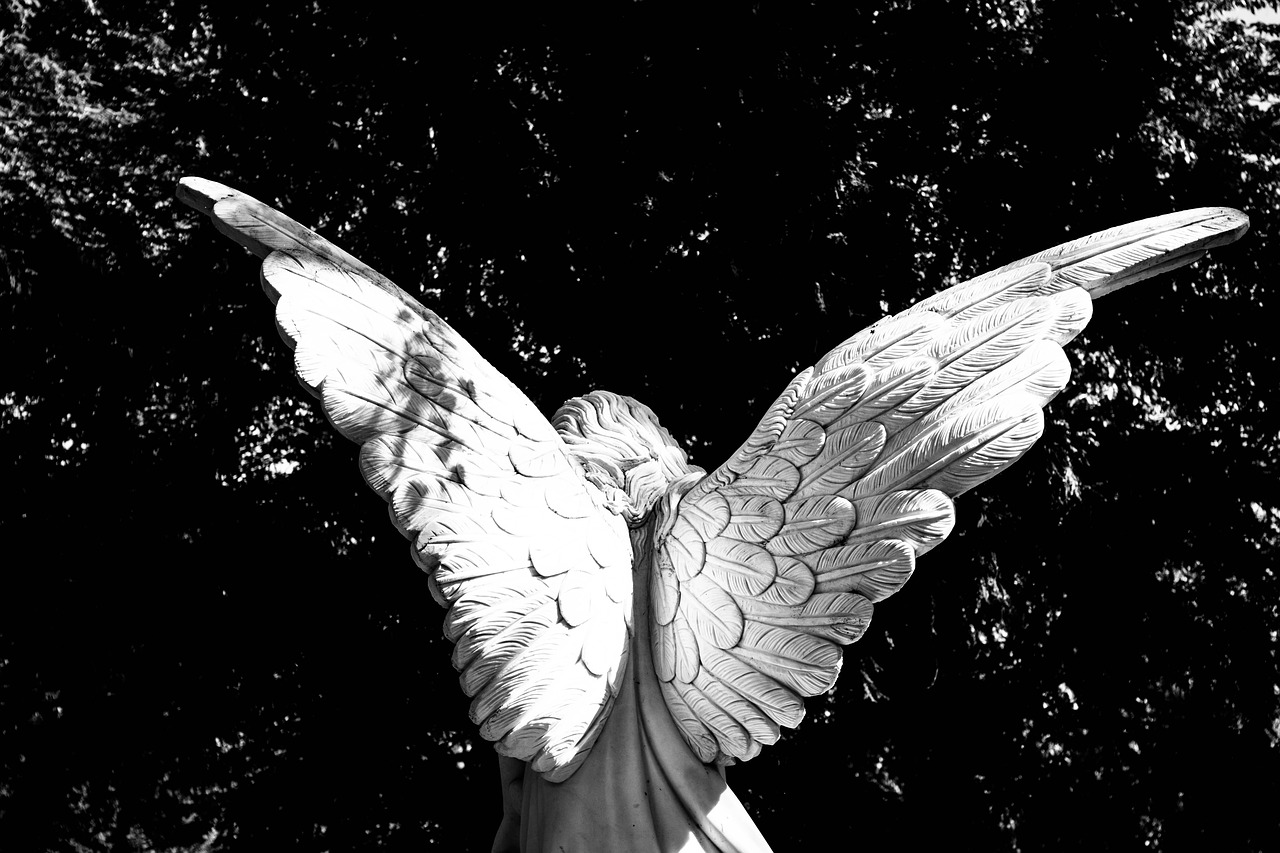
Something very strange happens at the juncture of last week’s parsha (Vayetze) and this week’s (Vayishlach). In the last verse of Veyetze (Genesis 32:3), Jacob saw angels and said, “This is the camp of God” – and he named the place Machanayim, which means “two camps.”
Jacob’s stand: Parashat Vayishlach (Genesis 32:4-36:43)
Jacob returns to Canaan, where 20 years earlier he fled his brother Esau’s wrath after stealing his birthright. But time does not seem to have healed the wound.




 More news and opinions than at a Shabbat dinner, right in your inbox.