
“Teshuvah,” turning, repentance, reconciliation, is a gift given to all people. People change, institutions change, policies change.
Consider the largely unreported and unheralded change in the Presbyterian Church (USA). By a vote of 431 to 62 in July 2004, the church voted to begin selective divestment in multinational corporations in Israel. The design was to punish Israel for its alleged mistreatment of Palestinians.
Three other churches, the Evangelical Lutheran Church, the United Methodist Church and the Episcopalian Church all set up committees to consider divestment as a punitive measure against Israel.
But — and this is a most consequential but — as a result of serious interfaith dialogue and serious encounters resulting in an interfaith mission to Israel, the Presbyterian Church (USA) and the Episcopalian Church of America rejected their earlier resolutions for divestment. Their one-sided disposition against Israel was repudiated without loss of their sympathy for the Palestinian condition.
This church reversal did not take place in a vacuum. The Protestant leaders who went to Israel witnessed the precarious situation of Israel and heard from Supreme Court Justice Dorit Beinisch the need for Israel to strike a balance between national security and civil liberties.
The next day, the interfaith group learned that a panel of Israeli justices had ruled for the second time that the government must reroute a section of the security barrier that, in the court's view, imposed a new hardship on Palestinians living in the area. They learned first hand of the role of the Israeli Supreme Court to limit and restrain torture of detainees.
Institutions change. Change is not spontaneous, easy or automatic. It requires face-to-face encounters and a determination to dialogue. As Martin Buber famously put it, “All real life is meeting.” Absent dialogue, the vacuum creates disinformation and resentment.
We must not belittle interfaith meeting, no matter its frustration, or allow our disappointments to silence dialogue.
All honor to the American Jewish Committee and the National Council of Christ for convening an interfaith meeting in May 2004 to discuss peace in the Middle East. All honor to the Jewish Council of Public Affairs for planning and arranging the interfaith mission to Israel.
Dialogue is the language of godliness and extends the promise of teshuvah.
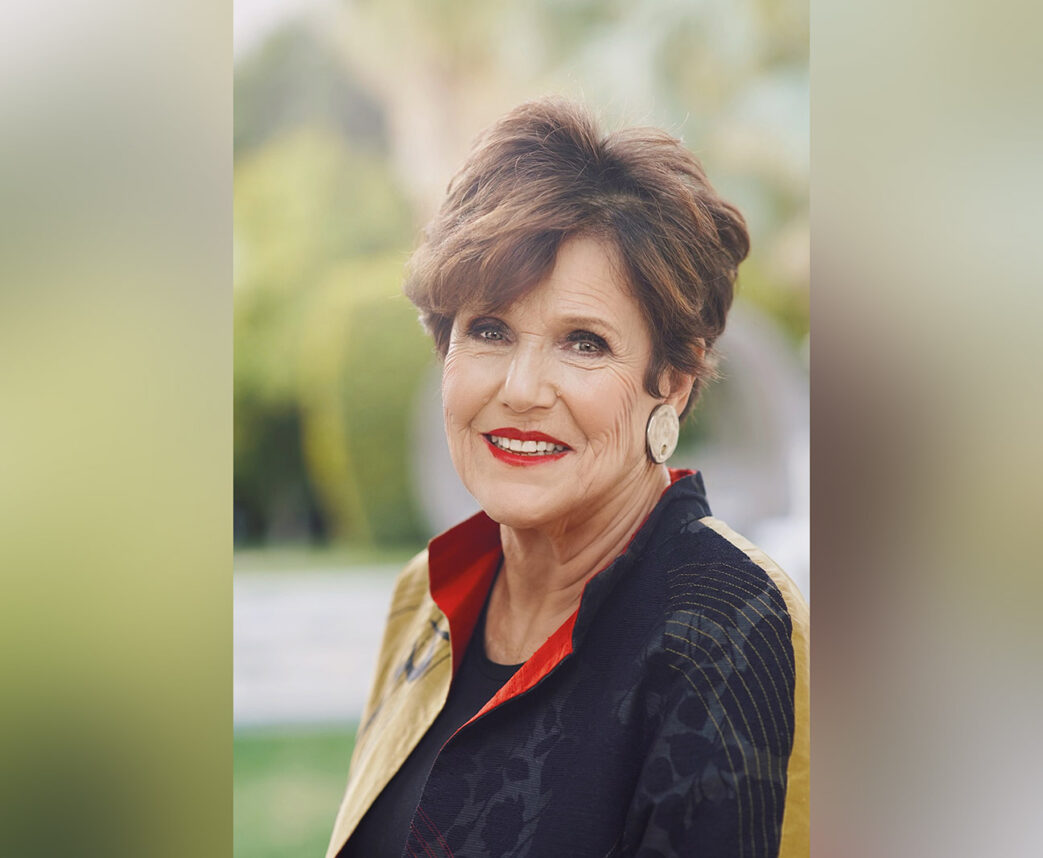
Harold M. Schulweis is rabbi at Valley Beth Shalom in Encino.













 More news and opinions than at a Shabbat dinner, right in your inbox.