Advertisement
July 27, 2012 | 2:15 pm
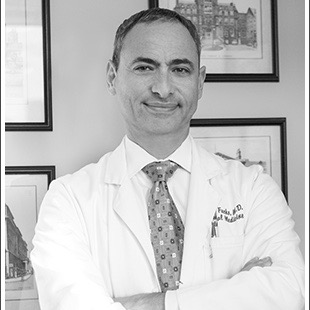
Posted by Albert Fuchs, M.D.

CT scanner
Photo credit: Wikimedia
Commons
Obstetrician 1: Get the EEG, the BP monitor, and the AVV.
Obstetrician 2: And get the machine that goes ‘ping!’.
Obstetrician 1: And get the most expensive machine - in case the administrator comes.
—From Monty Python’s movie “The Meaning of Life”
Heart attacks remain the number one cause of death for men and women in the U.S. Heart attacks typically feel like squeezing or pressure in the center of the chest that lasts longer than a few minutes. So if you ever have such symptoms, call 911 immediately. Over 6 million people go to emergency departments because of chest pain, and they present an important medical challenge. A very small fraction of them, less than 1%, are having heart attacks. They should be identified and treated (ideally with angioplasty) as quickly as possible since the time between the onset of pain and treatment is critical to the chance of survival and recovery. But the vast majority of patients have chest pain that is due to something not nearly as dangerous, like acid reflux, muscle spasm, anxiety, or gallstones. They can frequently be treated as outpatients after a heart attack has been ruled out.
The standard of care for excluding a heart attack is an immediate EKG in the emergency department and a blood test called troponin. For the troponin result to be definitive it must be drawn several hours after the onset of chest pain, so many patients are admitted for observation and to await the definitive second troponin test.
Wouldn’t it be nice if we had a way to exclude heart attacks immediately, so that the many patients without a heart attack could be spared the unnecessary hours in the hospital? That was the thought of the investigators of a study in this week’s New England Journal of Medicine. They conducted a study in which patients presenting to emergency departments with chest pain and whose initial EKG and troponin was normal were randomized to either usual care or an immediate CT scan of their coronary arteries.
The results were meh. The group which received the CT scans went home 7.6 hours earlier on average, but they received a dose of radiation and they were exposed to intravenous contrast, which can cause side effects. The overall cost of care was higher in the group receiving the CT. And in the outcome that really matters – catching every person with a heart attack – both groups did equally well.
An accompanying editorial makes the point that exposing millions of people to CT scans with intravenous contrast when most of them are very unlikely to be having heart attacks is likely to do more harm than good. And the only benefit the study showed – earlier discharge by a few hours – is likely to help hospitals much more than patients.
So if you’re hospitalized for acute chest pain, be patient. You may have to spend the night waiting for that second troponin. Rent a Monty Python movie, and try to relax. There’s no reason to demand the machine that goes ‘ping’.
Learn more:
CT for chest pain in ER gets patients home sooner (Los Angeles Times)
Study questions CT scans to rule out heart attacks (Associated Press)
Coronary CT Angiography versus Standard Evaluation in Acute Chest Pain (New England Journal of Medicine article)
Coronary CT Angiography for Acute Chest Pain (New England Journal of Medicine editorial)
In Event of a Heart Attack Let the Paramedics Come to You (My post in 2008 about what to do in case of a heart attack)
Important legal mumbo jumbo:
Anything you read on the web should be used to supplement, not replace, your doctor’s advice. Anything that I write is no exception. I’m a doctor, but I’m not your doctor.


5.17.13 at 2:55 pm | Ms. Jolie’s brave revelation might be. . .

5.10.13 at 9:23 am | Number of suicides exceeds deaths in traffic. . .

4.26.13 at 4:53 pm | A bird flu strain gets the attention of public. . .

4.19.13 at 6:48 am | ACP recommendations clarify a murky topic.

4.12.13 at 6:39 pm | A list of tidbits learned at the ACP conference.

4.5.13 at 1:31 pm | A study about the Mediterranean diet has. . .

2.4.11 at 11:59 am | The FDA recently issued a warning about. . . (1634)

5.10.13 at 9:23 am | Number of suicides exceeds deaths in traffic. . . (387)

4.26.13 at 4:53 pm | A bird flu strain gets the attention of public. . . (47)
We welcome your feedback.
Your information will not be shared or sold without your consent. Get all the details.
JewishJournal.com has rules for its commenting community.Get all the details.
JewishJournal.com reserves the right to use your comment in our weekly print publication.
health bloghome doctor medicine albert fuchs health care storyblog nicejewishdoctor antibiotics nice jewish doctor virus healthcare sti skeptic vaccine science vaccination antibiotic resistance weight loss skepticism prostate cancer water cdc health and safety cancer gonorrhea sickness strength fungal meningitis surgery tests treatments world health organization drowning study red meat diet multivitamin geriatric care health consciousness health issues
May 2013
April 2013
March 2013
February 2013
January 2013
December 2012
November 2012
October 2012
September 2012
August 2012
July 2012
June 2012
May 2012
April 2012
March 2012
February 2012
January 2012
December 2011
November 2011
October 2011
September 2011
August 2011
July 2011
June 2011
May 2011
April 2011
March 2011
February 2011
January 2011
December 2010
November 2010
October 2010
September 2010
August 2010
July 2010
June 2010
May 2010
April 2010
March 2010
February 2010
January 2010
December 2009
November 2009
October 2009
September 2009
August 2009
July 2009
June 2009
May 2009
| |||||||||